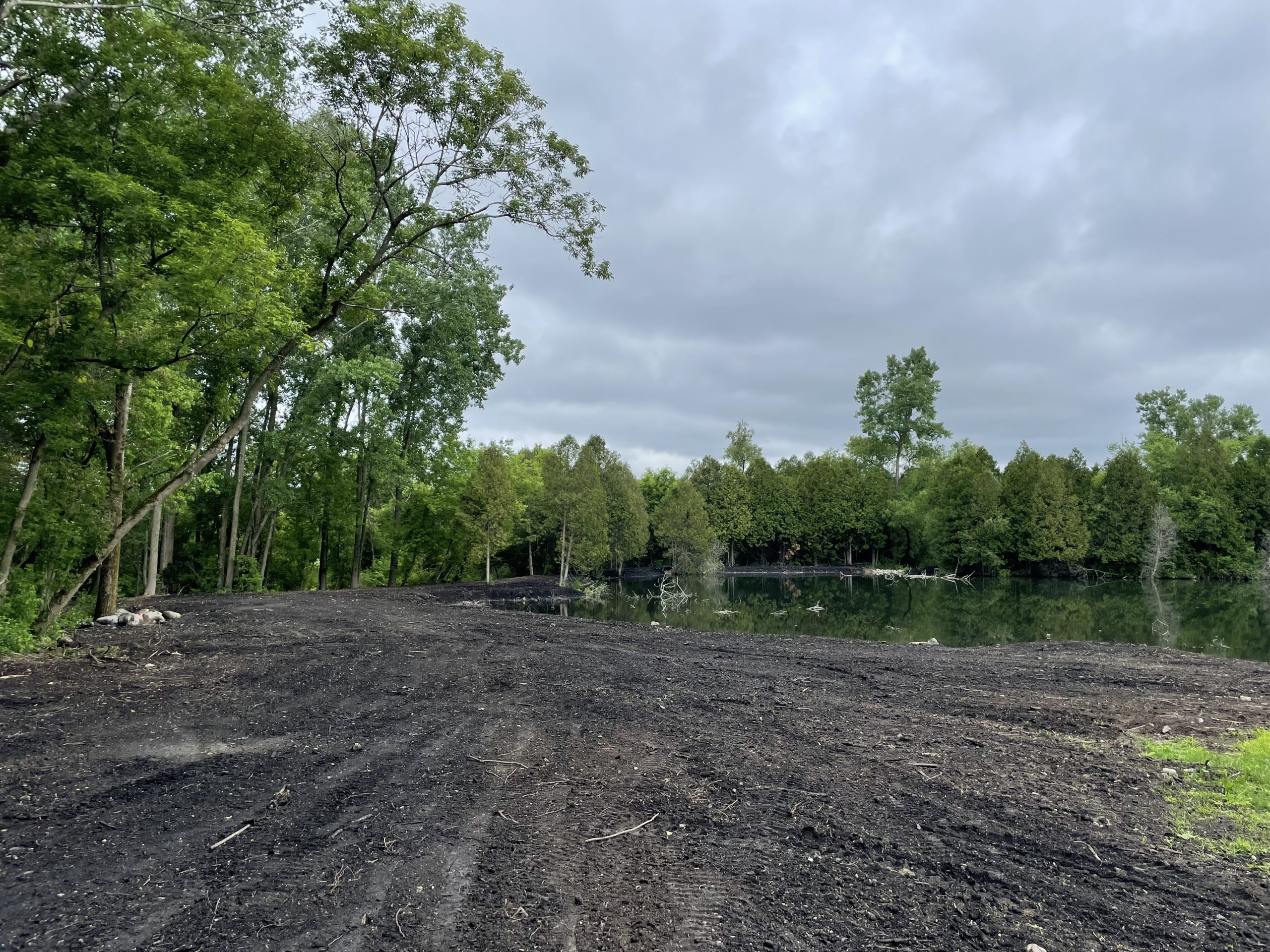
Yard flooding with gutters? Learn why grading, drainage, and runoff soak your lawn, and how to stop it. Discover fixes and expert tips and act now to protect your home.
Why yards flood even when you have gutters
If you have standing water in your lawn after rain, it is easy to blame the gutters. In many cases, the gutters are doing their job by catching roof water and pushing it to the ground. The bigger problem is usually what happens after water leaves the downspouts. Yard flooding with gutters is common when your soil, slope, or drainage paths cannot handle the volume of water during storms or snowmelt.
Your gutters work, but water still pools
Several factors cause water to linger even with clean, working gutters. Understanding them helps you choose the right fix.
- Downspouts end too close to the house. Splash blocks and short extensions drop water within a few feet of your foundation. In heavy rain the soil saturates fast and water spreads across the yard.
- Negative grading around the foundation. If soil slopes toward the house or is flat, water cannot move away. Even a small dip becomes a pond.
- Clay or compacted soils. Much of southeastern Wisconsin has clay and loam. These soils drain slowly. Compaction from foot traffic, construction, or heavy mowers reduces infiltration.
- High water table or seasonal groundwater. In low areas and near wetlands, water may sit just below the surface. After storms the water table rises and the lawn turns soggy.
- Frozen ground and rapid snowmelt. Winter freeze locks soil pores closed. A warm spell sends meltwater into a yard that cannot absorb it.
- Sump pump discharge near the house. A sump line that ends at a window well, walkway, or garden bed recycles water back into the yard and foundation.
- Hardscape runoff. Driveways, patios, and walkways shed water fast. Without trench drains or swales, that flow cuts across the lawn and floods low spots.
- Neighboring runoff or blocked public inlets. Water from uphill lots or streets may enter your property. If a curb inlet or ditch is clogged, the yard acts like a temporary basin.
- Undersized gutters or too few downspouts. Five inch gutters and long roof runs can overflow in summer downpours, sending sheets of water into landscaping.
- Landscape beds and edging that trap water. Solid edging, raised beds, and mulch dams block normal overland flow.
- Old or clogged French drains. Perforated pipe wrapped in silt over time stops draining. Water backs up to the surface.
- Buried surprises. Collapsed clay tile, roots inside storm pipe, or a crushed extension line can halt flow without you noticing.
Local factors in southeastern Wisconsin
Masterwork Construction works across Ozaukee, Milwaukee, Waukesha, and Washington counties. Our region sees intense summer storms, lake effect rain, and fast spring melts. Combined with clay soils and relatively flat yards, it is no surprise that many homeowners report yard flooding with gutters in place. Municipal storm systems can also run near capacity during big events, which slows backyard outlets. A smart plan accounts for all of these regional realities.
How to diagnose yard flooding with gutters
A quick look after a storm can reveal the real cause. Use this simple checklist to find the source and choose the right fix.
- Watch a heavy rain from a safe spot. Note where water pours off the roof, overflows the gutter, or comes out of downspouts. Track where it flows and where it stops.
- Measure slope near the foundation. A yard should drop at least six inches over the first ten feet. Less than that suggests regrading will help.
- Check downspout length and condition. Extensions should reach a minimum of 10 feet from the foundation, more if your soil drains slowly or the lot is flat.
- Test soil infiltration. After the rain ends, dig a small hole 6 to 8 inches deep and fill with water. If it still holds water after an hour, your soil drains poorly.
- Map low spots. Mark puddles and soft spots with flags. These mark ideal locations for a drain inlet, swale, or fill.
- Inspect hard surfaces. Look for flow lines on driveways or patios that push water toward the lawn or house.
- Follow the sump discharge. If it outlets to the yard, see if water loops back to the foundation or into low lawn areas.
- Look for clogs. Open pop up emitters, catch basins, and lawn drains. Check for leaves, mulch, and sediment.
- Document with photos and video. Share with a contractor so they can plan the right grade, pipe sizes, and outlets.
- Call 811 before you dig. In Wisconsin, contact Diggers Hotline to mark utilities before installing any buried drainage.
Fixes that actually stop standing water
There is no single solution to yard flooding with gutters. The best results often blend improvements at the roof, the ground, and below grade. Here are proven options, from simple to comprehensive.
Fast DIY tweaks that help right away
- Clean gutters and downspouts twice a year. Keep water inside the system. Consider gutter guards if trees drop heavy debris.
- Extend every downspout 10 to 15 feet. Use solid pipe or rigid extensions and direct flow to daylight or a drain point.
- Add splash blocks where extensions are not possible. They spread flow and reduce soil erosion at the outlet.
- Redirect the sump discharge. Run the hose or pipe far from the house, ideally to a storm inlet or daylit swale if allowed.
- Build a slight soil berm behind landscape edging. Create a gap or channel so water can exit beds instead of pooling.
- Core aerate and topdress the lawn. Aeration plus compost improves infiltration, especially in clay soils.
- Use rain barrels on one or two downspouts. They reduce peak flow, but make sure overflow is directed away from the house.
Permanent grading and drainage solutions
- Regrade around the foundation. Aim for a 2 to 5 percent slope away from the house for at least 10 feet. Use quality topsoil and compact in lifts.
- Cut shallow swales to move water. A grassed swale is a gentle channel that carries water across the yard to a safe outlet.
- Install a French drain in wet strips. Perforated pipe wrapped in fabric and set in clean stone collects subsurface water and moves it to daylight.
- Use catch basins with solid outlet pipe. Place in low spots and connect to a pop up emitter further downslope.
- Add a trench drain across the driveway. This intercepts sheet flow before it reaches the lawn or garage.
- Build a dry well or small underground retention. These systems store water during peak storms and release it slowly into the soil.
- Plant a rain garden with native species. Deep rooted natives like black eyed Susan and switchgrass improve infiltration and look great.
- Upgrade to 6 inch gutters and more downspouts. Larger systems handle intense storms and protect landscaping.
- Convert patio or walkways to permeable pavers. Permeable surfaces reduce runoff and recharge the soil.
- Stabilize outlets with riprap. Stone at the pipe end prevents erosion and keeps channels open.
- Add check valves on sump and yard lines. They stop backflow when municipal systems are overwhelmed.
- Connect to storm sewer where permitted. Some municipalities allow legal tie in with proper permits, inspections, and backflow devices.
When to bring in a pro
If flooding threatens your foundation, if water sits for days, or if you need grading, excavation, or storm piping, it is time to call a contractor. Masterwork Construction designs and builds drainage systems that match your site conditions and local codes. Our team uses GPS guided equipment for precise grades, installs storm sewer piping and underground water retention, and provides value engineering to lower cost without cutting performance.
- Laser accurate grading around homes, garages, and additions
- French drains, swales, and daylight outlets with pop up emitters
- Catch basins, solid and perforated piping, and culverts
- Underground detention and retention systems sized for your roof and lot
- Driveway trench drains and curb solutions for hardscape runoff
- Pond development for larger properties that need detention capacity
- Demolition, land clearing, and topsoil stripping to rebuild failing yards
Protecting your basement and foundation
Standing water near your home does more than make mowing tough. It increases hydrostatic pressure on foundation walls and footings. In freeze season, saturated soil can heave and crack slabs. Prevent issues with basic good practices and a strong drainage plan.
- Maintain at least 6 inches of exposed foundation above grade. Do not pile mulch or soil against siding.
- Use window well drains and covers. Tie wells into a drain line that runs to daylight or a sump.
- Check for gutter overflows during big storms. Add downspouts if roof valleys dump too much in one spot.
- Install a sump pump battery backup. It keeps water moving during power outages when storms hit hardest.
- Inspect sidewalks and stoops that settle toward the house. Consider raising them or adding a trench drain to divert water.
Frequently asked questions about yard flooding with gutters
Do I need bigger gutters, or is it a grading problem?
Sometimes both. If water pours over the gutter edge, a larger or cleaner gutter is part of the fix. If water exits downspouts and still pools, the problem is grading, soil, or lack of outlets. Masterwork Construction often pairs gutter upgrades with regrading and a drain plan for a complete solution.
How far should I extend my downspouts?
Ten feet is the minimum for most homes, but 15 to 20 feet is common on flat clay lots. The key is to discharge water where it can keep flowing by gravity to a safe outlet.
Will a French drain fix everything?
No. A French drain is great for intercepting subsurface water along a wet strip, but it needs proper slope, filter fabric, clean stone, and a clear outlet. Without those, it becomes a stone filled bathtub. Many yards need a mix of swales, basins, and pipe along with soil improvements.
What about winter and ice?
In winter, buried lines can freeze if they hold standing water. Use proper slope, avoid dips, and choose outlets that drain dry. Some homes benefit from a winter bypass that surfaces at a splash block while the main line stays idle.
Can grading harm my trees or landscaping?
Major grade changes can stress roots. A thoughtful plan feathers grades, protects trunks, and routes heavy flow away from root zones. Masterwork Construction balances drainage needs with plant health and can coordinate with arborists when needed.
Why homeowners choose Masterwork Construction
Masterwork Construction is a professional earthwork company based in Grafton, Wisconsin. Since 2015 we have served southeastern Wisconsin, including Ozaukee, Milwaukee, Waukesha, and Washington counties. We specialize in excavation, grading, stormwater utility solutions, mechanical demolition, gravel driveways, pond development, roadway construction, and mass excavation. For yard flooding with gutters, our stormwater team designs practical systems that blend function and curb appeal. We use modern equipment, proven materials, and experienced craftsmen to deliver durable results.
- Local expertise in clay soils, freeze cycles, and intense summer storms
- Full service solutions, from laser grading to underground retention and storm sewer repair
- Value engineering that meets performance goals while controlling cost
- Clear communication, safety focused crews, and clean job sites
- Equipment and technology that set accurate slopes the first time
- Residential and commercial site development for long lasting drainage
Our simple process to solve drainage
- On site assessment. We meet, listen to your concerns, and observe water paths and problem areas.
- Survey and grade plan. Our team takes elevations and designs slopes, swales, and pipe routes that work with your lot.
- Drainage design. We select the right mix of basins, pipe sizes, outlets, and soil improvements for your site.
- Clear proposal. You receive a detailed scope, timeline, and investment options.
- Build with care. We call utility locates, protect landscaping, and install systems to spec with quality materials.
- Final walkthrough. We verify flow paths after test watering and share maintenance tips.
- Support after the storm. You can count on Masterwork Construction for adjustments or future improvements.
Tips to keep your yard dry long term
Good drainage is a system, not a single product. Keep it working with simple upkeep and smart habits.
- Clean gutters in spring and fall. Check downspout joints after big storms.
- Mow high and avoid mowing when the lawn is saturated to prevent compaction.
- Refresh mulch and maintain small channels in landscape beds so water can exit.
- Inspect pop up emitters and basins a few times per season and after leaf drop.
- Consider adding native plants in known wet areas for better infiltration.
- Watch new hardscapes. If runoff patterns change, add a swale or small drain before issues grow.
Your next step
If you are dealing with yard flooding with gutters, the fix is closer than you think. A clear plan for grading, drainage, and runoff can protect your lawn and your foundation. Masterwork Construction is ready to help with a site visit and a plan that fits your home, soil, and budget. Call 414-762-7000 to schedule an assessment or reach us through our website. We proudly serve homeowners and businesses across Ozaukee, Milwaukee, Waukesha, and Washington counties. Let us design a yard that drains right, looks great, and lasts for years.