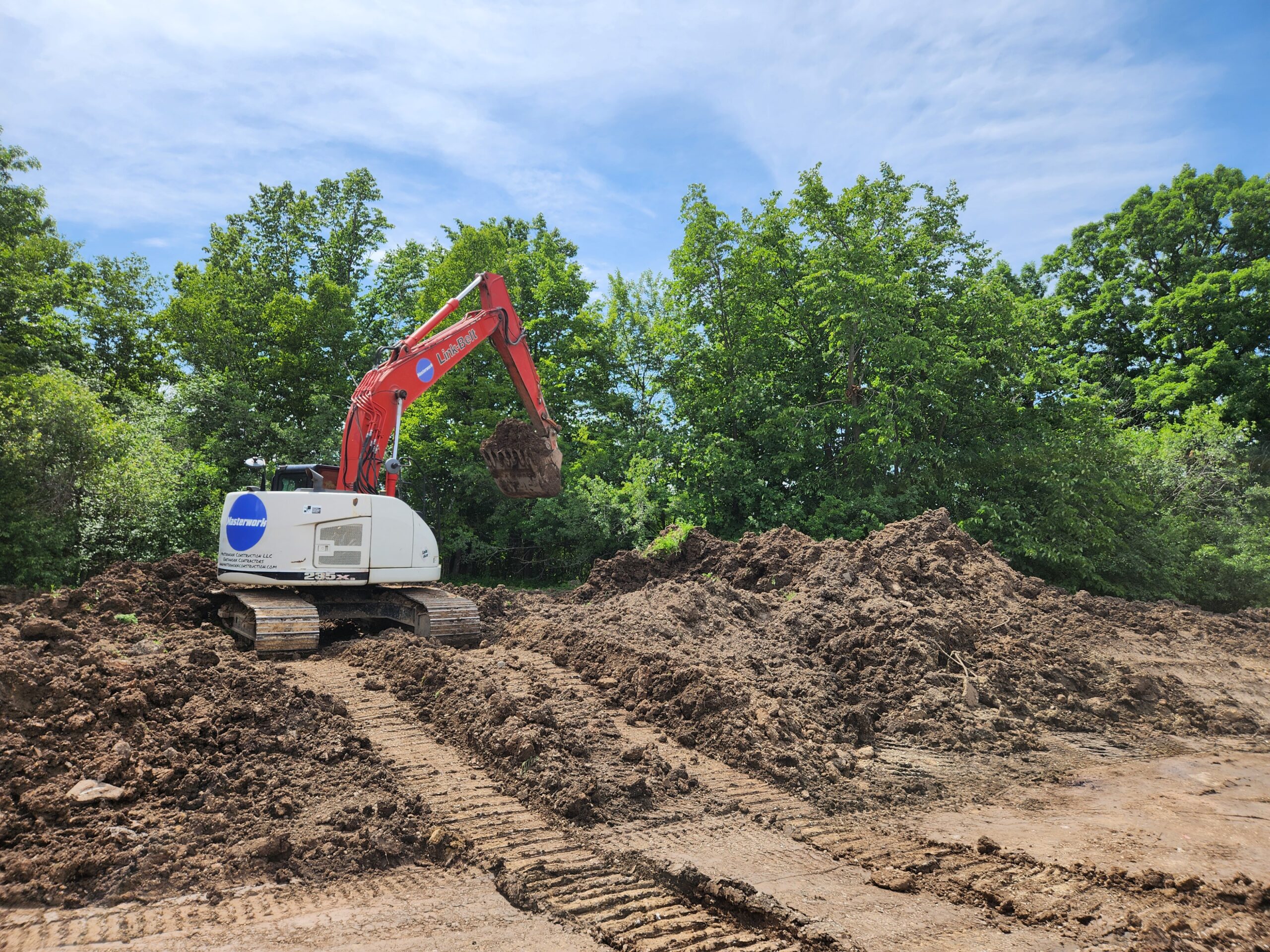
Your guide to Waukesha residential land clearing
Waukesha residential land clearing made easy. Prep your wooded lot without harming trees. Learn legal steps, smart tools, and timelines. Read now and get started. If you are planning a new home in Waukesha County or anywhere in southeastern Wisconsin, you can clear a buildable area and still keep the trees that make your property special. With the right plan, tools, and team, you will protect roots, prevent erosion, and set up your project for a smooth start. This guide explains how to approach waukesha residential land clearing the smart way, with local rules, timing tips, and proven steps from Masterwork Construction.
Why careful clearing matters
Trees boost shade, wildlife habitat, curb appeal, and property value. It is easy to damage or kill good trees during site prep without even noticing. Roots can be crushed by heavy machines, trunks scarred by quick turns, and soil grades raised around trunks. The right method protects the trees you want, reduces mud and runoff, and saves you money later on landscaping and stormwater fixes.
Start with a plan that puts trees first
1. Map your lot and mark keepers
Walk the property with a simple site plan or survey in hand. Flag trees you want to save and note those that are sick or in the footprint. Take photos and label them. For important shade trees, measure trunk diameter at 4.5 feet above ground. A quick rule for root protection is one foot of protected radius for every inch of trunk diameter. A 20 inch oak deserves about a 20 foot radius where you avoid grading, trenching, and heavy traffic.
2. Understand local rules in Waukesha County
Regulations can change between municipalities and subdivisions. In Waukesha County, you may need erosion control permits and to follow shoreland or wetland rules. Many towns have tree preservation or woodland overlay rules. If your project disturbs one acre or more, you will likely need a Wisconsin Department of Natural Resources construction site stormwater permit. Always check with your city or town and the Waukesha County Land Resources Division before clearing. Masterwork Construction coordinates with local inspectors and helps clients navigate permits during waukesha residential land clearing.
3. Call Diggers Hotline before you dig or grind
Contact Diggers Hotline at least three working days before any excavation, stump grinding, or grading. They will mark public utilities. Private lines like well or yard lighting often require a private locate. Damage to utilities is dangerous and costly, so this step is not optional.
4. Bring in an arborist for high value trees
A certified arborist can assess tree health, mark save zones, and recommend pruning or cabling. This is especially helpful for mature oaks, maples, and hickories that you want to feature in your final landscape. An arborist letter can also support permit reviews if you need to justify removals.
Design site access that avoids root damage
Plan your construction entrance and haul roads
Choose the driveway path early and make it your main access. Install a tracking pad of large stone at the road and keep equipment on that path. Avoid driving near trunks of trees you plan to keep. Where temporary access near trees is unavoidable, use timber mats or construction mats to spread weight and reduce compaction.
Set up a safe staging area
Stockpile materials and stage equipment away from root zones. Do not pile soil or gravel against trunks. Even a six inch increase in soil around a tree can suffocate roots. Keep fuel and oil a safe distance from all trees, and have spill kits on hand.
Pick clearing methods that spare your trees
Choose equipment with a light touch
Not all machines are equal on sensitive sites. Compact track loaders with rubber tracks and low ground pressure spread weight and cause less rutting than wheeled skid steers. Excavators with thumbs can set logs down gently. A forestry mulcher can turn brush and small trees into mulch in place, which is great for undergrowth, though it is not ideal right against tree trunks you plan to keep. Masterwork Construction uses modern equipment sized to fit your site, so clearing is efficient and careful.
Compare common clearing approaches
- Selective hand cutting and grapple work. Best for lots with many keeper trees. Slower but very precise.
- Forestry mulching. Fast for brush, buckthorn, and saplings. Leaves a mulch layer that controls erosion. Not for large stumps.
- Excavator and shear or saw head. Efficient for mid sized trees. Good control for felling direction near keepers.
- Dozer push and pile. Fast on open land but risky near trees you want to save. More soil disturbance and compaction.
Manage stumps the right way
- Stump grinding. Good near roots of keeper trees since it limits soil disturbance. Plan for topsoil backfill afterward.
- Excavation. Faster removal for building footprints and driveways. Keep away from save zones to avoid ripping roots.
- Leave in place. For out of the way areas, you can cut flush and leave to decay. This protects surrounding roots and saves cost.
Protect soil and roots before machines arrive
Install tree protection fencing
Put sturdy fencing at the outer edge of the root protection zone. Use bright ribbon and clear signage. No parking, soil stockpiles, or washing out chutes inside the fence.
Prune carefully ahead of time
If branches overhang the work zone, have them pruned ahead of clearing. In Wisconsin, avoid pruning oaks in spring and early summer due to oak wilt risk. Winter pruning often works best for disease prevention and for frozen ground that limits compaction.
Control erosion from day one
Before you clear large areas, install silt fence on the downhill sides, protect storm inlets, and create a stabilized construction entrance with large stone. On slopes, keep a layer of leaf litter or mulch intact as long as possible. Masterwork Construction sets up erosion controls early and maintains them through rain events, which keeps inspectors and neighbors happy.
Plan your timeline around seasons and inspections
Best seasons for clearing in southeastern Wisconsin
- Winter with frozen ground. Lowest soil compaction. Great for protecting roots and reducing ruts.
- Late summer to fall. Drier soils mean fewer ruts, and leaves make it easier to spot healthy crowns.
- Spring thaw. Often the most challenging due to saturated soils. Extra mats and access control are essential.
Sample eight week clearing timeline
- Week 1. Site walk, tree inventory, utility locates, permit checks, and layout of access and staging.
- Week 2. Install erosion control, tracking pad, and tree protection fencing.
- Week 3. Selective felling and brush clearing, starting farthest from keeper trees.
- Week 4. Stump grinding near save zones, stump excavation in building pads and driveway.
- Week 5. Haul logs, chip brush, and recycle materials. Rough grading in cleared areas.
- Week 6. Finalize pad elevation, confirm drainage paths, and stabilize disturbed soils with mulch.
- Week 7. Inspector walk through, punch list fixes, and adjust erosion controls after first rain.
- Week 8. Transition to excavation, utility trenching, and foundation work.
Keep what you clear working for you
Use on site materials
- Chip brush into mulch to stabilize paths and beds, but avoid piling thick mulch directly against trunks.
- Save straight logs for milling or landscape features. Hardwoods like oak and maple can be valuable.
- Stockpile topsoil separately from subsoil to reuse for final grading.
Dispose and recycle responsibly
Coordinate with recycling yards for clean wood and brush. If you plan to burn, check local burn permits and weather rules. Do not burn near tree lines or during dry, windy days.
Avoid common mistakes that kill trees
- Raising grade around trunks. Even a few inches can starve roots. Keep final grades at or slightly lower than existing around saved trees.
- Parking or storing heavy materials on roots. Long term compaction reduces water and air in soil.
- Cutting roots for utilities. Shift lines or use directional boring to protect major roots.
- Scraping all topsoil. Leave natural duff where you can to keep soil life healthy.
- Letting mulch touch bark. Pull mulch back a few inches from trunks to prevent rot and pests.
Water and erosion control that actually works
Stabilize quickly
Cover bare soil within 14 days or sooner with mulch, straw, or erosion matting. On steep slopes, use turf reinforcement mats. Create small temporary swales and check dams to slow water and reduce sediment moving off site.
Think like a raindrop
Plan how water moves across the site before you clear. Keep downhill buffer strips of vegetation as long as possible. Set stockpiles where they will not wash into streets or wetlands. Masterwork Construction designs simple, durable drainage measures during waukesha residential land clearing that save time at inspections and prevent call backs.
Smart tools for homeowners and builders
- Flags, paint, and signage to mark save trees and no go zones.
- Measuring tape and trunk diameter tape for quick root zone math.
- Sturdy fencing, T posts, and zip ties for tree protection.
- Silt fence, stakes, and gravel for erosion control and tracking pads.
- Construction mats for wet areas and access near trees.
- Hand saws and pole pruners for fine cuts away from trunks.
- Moisture meter or screwdriver test to check soil moisture before moving heavy equipment.
Value engineering your clearing scope
Every tree you save can change grading and utility routes. That is where value engineering shines. Masterwork Construction balances pad elevation, driveway slope, and drainage so you keep key trees without costly retaining walls or major imports. Often a minor pad shift or a bit more haul road planning pays for itself. For waukesha residential land clearing, a short consult early can prevent weeks of rework later.
Waukesha specific tips
- Glacial soils vary fast. Expect pockets of clay, sand, and shallow rock. Track moisture and adjust access daily.
- Oak wilt risk is real. Avoid pruning oaks in spring and early summer. Seal fresh cuts if you must cut.
- Emerald ash borer has hit many ash trees. Have an arborist check candidates before you invest in saving them.
- Shoreland zoning can reach far from lakes and streams. Confirm setbacks before you clear.
Working with Masterwork Construction
Since 2015, Masterwork Construction has delivered careful, efficient earthwork across Ozaukee, Milwaukee, Waukesha, and Washington counties. The team handles excavation, grading, stormwater utilities, mechanical demolition, gravel driveways, pond development, roadway construction, mass excavation, and full site development. For homeowners who care about trees, Masterwork Construction builds a custom clearing plan, sets up tree protection, and uses modern low ground pressure equipment. The crew handles erosion control, selective clearing, stump solutions, and clean recycling. The company’s value engineering reduces cost while protecting what you love about your lot. Call 414-762-7000 to talk through your goals or reach out through their website to schedule a site walk.
Pre clearing checklist
- Survey in hand and property corners flagged.
- Tree inventory and keeper list marked on site.
- Permits and approvals confirmed with your municipality and Waukesha County.
- Diggers Hotline requested and private locates arranged.
- Access route and staging area selected.
- Erosion control materials staged on site.
- Arborist review completed for key trees.
- Schedule set with your clearing contractor.
Day of clearing checklist
- Tree protection fencing installed and visible.
- Tracking pad installed at entrance.
- Brief all operators on save zones and no go areas.
- Felling plan confirmed with spotters and escape paths.
- Saw maintenance, spill kits, and first aid on site.
- Weather watch in place for wind and rain.
After clearing checklist
- Grind or remove stumps as planned.
- Haul logs and chip or remove brush.
- Repair ruts, scarify compacted soil, and regrade to plan.
- Stabilize exposed soil with mulch or matting.
- Walk the site with your contractor and arborist to confirm tree health.
- Update permits and schedule inspections as needed.
Frequently asked questions
Do I need a permit to clear my lot
Often yes. Many municipalities require erosion control permits. Projects that disturb one acre or more usually need state stormwater coverage. If shoreland, wetland, or woodland overlays apply, you may need extra approvals. Masterwork Construction helps clients verify requirements for waukesha residential land clearing before work starts.
What does careful clearing cost
Costs vary with acreage, tree density, access, and disposal. Selective clearing costs more per acre than mass dozing but protects trees and reduces later landscaping. Expect savings when you chip brush on site and reuse materials. A site visit is the best way to get a clear number.
Can I DIY part of the clearing
Homeowners can flag trees and handle small brush. For felling medium or large trees, stump work, and erosion control, hire pros. Safety, insurance, and compliance are worth it, and a good contractor moves faster with less damage.
Will heavy rain stop the work
It can. Wet soils compact easily and ruts can channel runoff. A short delay may save your trees and your budget. Contractors like Masterwork Construction build in weather flexibility, use mats, and adjust work areas to keep progress moving.
Can I keep topsoil and mulch
Yes, and you should. Separate topsoil from subsoil during grading. Chip brush for mulch and keep it a few inches thick around save zones, but not against trunks.
Put it all together
Prepping a wooded lot for a new home does not have to mean sacrificing the trees that drew you to the property. With smart planning, a light touch from equipment, and strong erosion control, you will protect roots, hold soil in place, and be ready for a clean foundation start. From permit guidance and utility locates to selective felling, stump solutions, and grading, Masterwork Construction delivers a complete package for waukesha residential land clearing. Ready to get moving without harming your trees Call 414-762-7000 or reach out through the Masterwork Construction website to schedule a site visit and start your plan today.