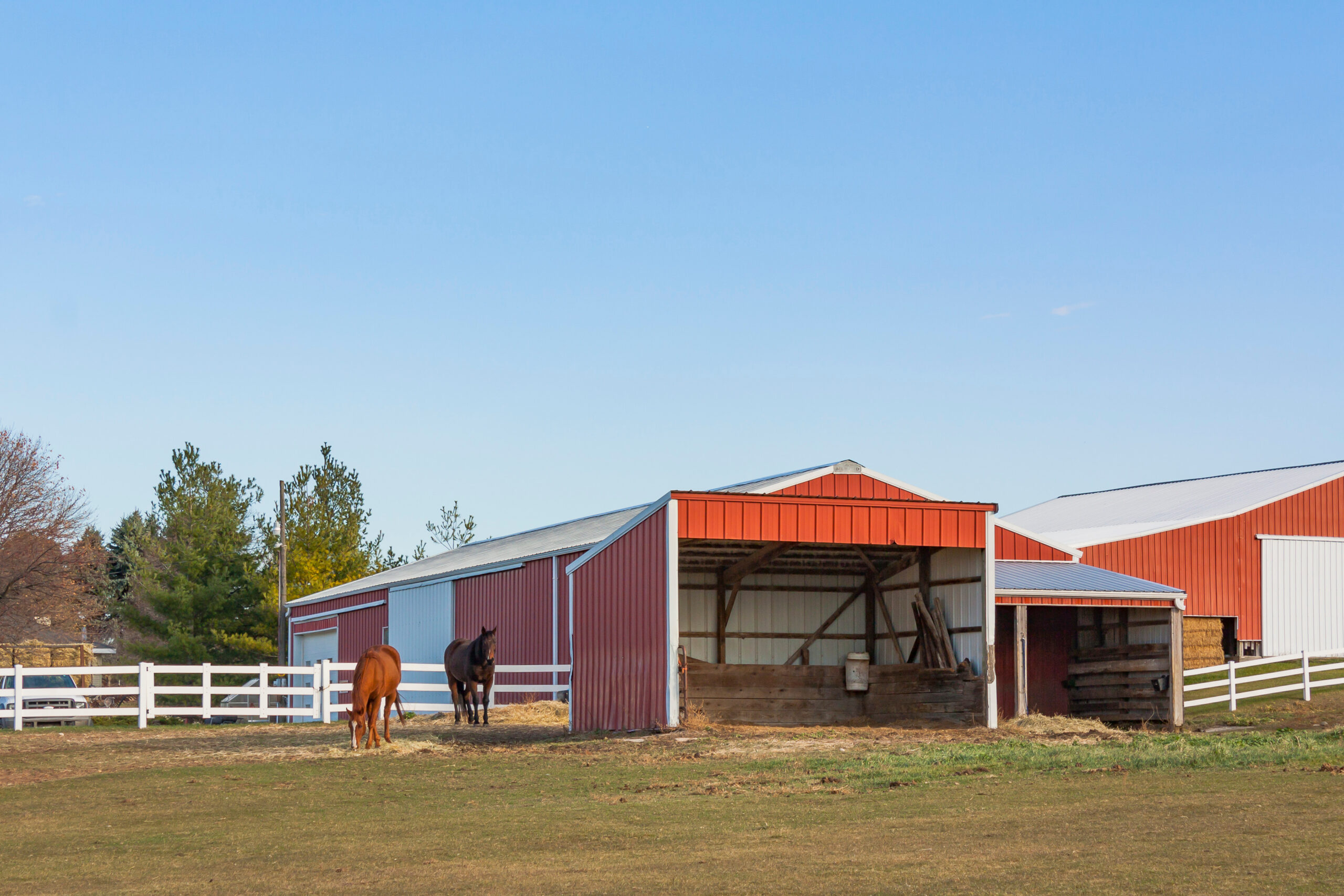
Why Grading Comes First for a Pole Barn
Before you think about posts, trusses, or metal panels, the ground under your future pole barn needs attention. Good grading sets the stage for everything that follows. When your site is planned and shaped the right way, water flows away, frost impacts are reduced, the pad stays firm, and your building stands straight for decades. Poor grading does the opposite. It traps water, weakens soils, and creates heave or settlement that can twist doors and crack slabs. In southeastern Wisconsin, the freeze-thaw cycle and clay-heavy subsoils make grading even more important.
Masterwork Construction has helped homeowners, farmers, and business owners build strong foundations for pole barns since 2015. Based in Grafton and serving Ozaukee, Milwaukee, Waukesha, and Washington counties, our team specializes in excavation, grading, stormwater solutions, and full site development. We use modern equipment, proven methods, and practical value engineering to deliver a pad that holds up to heavy loads and Midwestern weather. If you are planning a pole barn in Washington County, the right site planning can save time and money on your build.
The 3 Essential Grading Steps for a Stable Pole Barn
The best pole barn projects all follow the same sitework playbook. Here are the three grading steps that protect your investment and keep your project on schedule.
- Evaluate your site and plan for drainage
- Set the final elevation and create a balanced rough grade
- Compact and stabilize the pad with the right materials
Step 1: Evaluate Your Site and Plan for Drainage
Every good project begins with a site evaluation. The goal is to understand how water moves across your property, what soils are present, and where utilities or environmental limits might change the layout. For a pole barn, that means taking elevations, reading the land, and finding the best pad location that allows positive drainage without creating deep cuts or importing unnecessary fill. A short field review can prevent long-term headaches.
- Confirm the building footprint, orientation, and access routes for construction traffic.
- Check existing grades and identify high and low points that control drainage.
- Review soils. Sandy loam handles water well. Silty or clay soils hold moisture and may require reinforcement.
- Locate underground utilities through Diggers Hotline and identify overhead lines for safe crane and truck access.
- Consider setbacks, easements, wetlands, and any local stormwater rules that affect grading and runoff.
- Note where downspouts, roof runoff, and driveway drainage will discharge safely away from the building.
In Washington County, many town and village ordinances require erosion control and proper handling of runoff during construction. Sites with tighter clays often need added measures to prevent ponding around the pad. Masterwork Construction designs grading plans that respect these rules while creating simple, reliable swales and outfalls. We can also integrate underdrains or underground retention if your project requires formal stormwater management.
Step 2: Set the Final Elevation and Create a Balanced Rough Grade
After the site review, the next step is to pick an elevation for your building pad. This elevation should sit high enough above surrounding grades so water runs away from the barn on all sides. It also needs to align with future doors, a planned concrete slab, and any driveway tie-ins. Our crews use lasers and GPS to set benchmarks, then we shape the pad and surrounding area to achieve target slopes. When possible, we balance cuts and fills to reduce trucking costs.
- Target a minimum of 2 percent slope away from the building for at least 10 feet, more on tight clay soils.
- Build the pad crown high enough so finished grade sits several inches above native ground. Many projects aim for 6 to 12 inches above the surrounding area.
- Plan for door thresholds and apron slopes so vehicles enter without pooling water.
- Use structural fill when needed. Granular fill compacts well and resists frost movement better than native, wet clays.
- Confirm that ditches, swales, or daylight points provide an outlet for stormwater even during heavy rain or snowmelt.
Rough grading is not only about the pad. You also need smooth transitions to future drives, space for gutters and downspouts, and enough room for construction access. For typical pole barns, we recommend grading the work area a few feet wider than the building footprint so rigging and post setting go faster and safer.
Step 3: Compact and Stabilize the Pad With the Right Materials
The final step is compaction and stabilization. A strong pad is built in controlled lifts, compacted to a specific density, and protected with a surface layer that drains and resists rutting. If a concrete slab is part of your barn, your pad needs to support slab loads, post loads, and vehicle traffic without pumping or settlement. Moisture conditioning is key. Too dry or too wet soils will not hit compaction targets.
- Compact in thin lifts, often 8 to 12 inches, to reach a solid, uniform base.
- Use the right materials. In southeastern Wisconsin, crushed limestone 3/4 inch dense grade, breaker run, and clean chip stone are common choices.
- Place a woven geotextile under weak or wet soils to separate and reinforce layers. Geogrid can add extra stability when clays are very soft.
- Install trench underdrains if groundwater or seepage threatens the pad. Tie them to a positive outlet.
- Top the pad with a smooth, compacted surface that sheds water and supports your builder’s layout and framing.
Frost is a real factor in Washington County. Soils that hold water are more likely to heave. Compacting granular fill and providing drainage reduce frost impacts under post footings and slabs. Your pole barn posts rely on a firm, well-drained subgrade. Masterwork Construction builds pads to meet or exceed typical density targets so your building starts on the right foot.
Avoid These Common Grading Mistakes
- Setting the pad too low. A low pad invites ponding. Aim higher and plan positive drainage on every side.
- Skipping compaction. Loose fill settles. Compaction and moisture control are as important as the material itself.
- Forgetting roof runoff. Large roof areas shed a lot of water. Plan downspout locations and splash pads or underground drains.
- Not protecting disturbed soils. Without erosion control, a rainstorm can cut ruts, wash out fill, and add cost.
- Overlooking access. Tight turns, soft approaches, or low branches slow construction and increase trucking time.
- Using the wrong fill. Wet, fine-textured soils trap moisture. Use granular material for strength and drainage.
How Long Grading Takes and What It Can Cost in Washington County
Most pole barn pads take one to three days of onsite work once utilities are located and permits are in place. The schedule depends on weather, how much cut or fill is needed, and how soft the native soils are. Importing material or drying out wet areas can add time. Masterwork Construction plans the sequence to keep your builder moving. We coordinate trucking, equipment, and material deliveries so your site is ready when framing crews arrive.
Costs vary by site conditions, size, and materials. While we cannot give a one-size number, the drivers are consistent across projects.
- Cut and fill volume. More earth to move increases machine time and trucking.
- Import material. Granular base, breaker run, and top layers affect the budget.
- Soil conditions. Soft, wet, or expansive soils may require geotextile or underdrain.
- Access and distance. Longer hauls and tight sites raise delivery times.
- Erosion control and stormwater measures. Needed on many projects to stay compliant.
Our team offers clear, itemized estimates and value engineering ideas that fit your goals. For example, slightly shifting the pad location may reduce import, or adjusting the elevation can cut haul-off. We will walk you through options, expected performance, and long-term maintenance so you can choose with confidence.
Permits, Erosion Control, and Site Access
Local rules protect water resources and neighboring properties. In Washington County and many of its municipalities, you may need an erosion control permit even for a private pole barn. Silt fence, inlet protection, or a stabilized construction entrance may be required to keep sediment off the roadway. If your barn is part of a larger development, you might also need a stormwater plan. Masterwork Construction helps you understand the requirements and coordinates with your builder and local officials so the grading plan matches what the permit expects.
- Contact your municipality early to confirm permits and inspections.
- Schedule Diggers Hotline before excavation to mark utilities.
- Plan a stone tracking pad at the drive entrance to reduce mud on public roads.
- Use silt fence or wattles downslope to capture sediment during construction.
- Stabilize exposed soils promptly if rain is in the forecast.
Access is another part of successful site preparations. A good approach route prevents trucks from rutting lawns and protects septic systems, wells, or underground utilities. We often install temporary stone to support deliveries, then shape it into the permanent driveway or remove it after framing.
What to Expect When You Hire Masterwork Construction
We keep the process straightforward and transparent. From the first call to the last pass of the grader, our focus is on safety, quality, and clear communication. Our crews arrive with modern equipment and the right materials so the job stays on time. If field conditions change, we explain the options and the cost and performance impact of each choice before proceeding.
- Consultation. We review your plans, measure the site, and talk about location, access, and drainage.
- Site evaluation. We shoot elevations and develop a cut-fill plan that balances performance and budget.
- Proposal. You receive a detailed scope with materials, compaction targets, erosion control, and timeline.
- Permits and locates. We coordinate timing with your municipality and Diggers Hotline.
- Mobilization. We deliver equipment, set benchmarks, and protect nearby features.
- Rough grade. We cut high spots, place fill, and shape swales per the plan.
- Compaction and stabilization. We build the pad in lifts, compact to spec, and add base stone as needed.
- Final shaping. We fine grade around the building, smooth access routes, and set the site for your builder.
- Walkthrough. We confirm slopes, explain maintenance, and coordinate the handoff for framing or slab placement.
Beyond grading, Masterwork Construction provides excavation, stormwater utilities, gravel driveways, and even pond development. If your project needs a culvert, ditch regrading, or underground water retention, we can integrate those elements into the same schedule. One team managing the whole site reduces delays and keeps the work consistent.
Case Example: A Washington County Pole Barn Pad
A recent client near Jackson needed a 40 by 60 pole barn for equipment storage. The selected area sloped toward a low, clayey field that stayed wet in spring. Our crew surveyed the site and recommended moving the barn footprint 20 feet upslope and raising the pad by 10 inches to promote drainage. We installed a woven geotextile over the native subgrade, placed granular fill in 8 inch lifts with moisture conditioning, and compacted each lift. We topped the pad with 3/4 inch dense grade limestone and cut a shallow swale along the east side to direct water to a stable outlet. To handle roof runoff, we placed splash pads under downspouts and planned for extensions after construction. The result was a firm pad ready for posts and a site that stayed dry even after a heavy summer storm. The builder framed on schedule, and the owner now drives in and out without ruts or puddles.
FAQs About Pole Barn Grading in Washington County
Do I need gravel under my pole barn?
Yes, a granular base is strongly recommended. Crushed stone improves drainage, compacts well, and provides a solid working surface for setting posts and forming a slab. It also reduces frost heave risk in our climate.
What is the best time of year to grade for a pole barn?
Spring through fall works well, with summer and early fall offering the most reliable weather. We can work in early spring if soils are not saturated and during mild winter windows if frost is shallow, but timing depends on conditions.
Can you stabilize soft or clay sites?
Yes. We use woven geotextile, geogrid, underdrains, and granular fills to bridge and drain soft areas. The approach depends on moisture content and load demands. A short site visit will determine the best method.
How far should the pad extend past the building?
We suggest extending the compacted pad at least 3 to 5 feet beyond the building lines to help with drainage and access. If you plan a driveway connection or heavy equipment, extend farther for smoother transitions.
Do you arrange utility locates?
We coordinate with you to schedule Diggers Hotline before excavation. Locates protect everyone and keep the project moving without surprises.
Can you help with driveways and stormwater?
Absolutely. Masterwork Construction installs gravel driveways, culverts, and stormwater solutions like underground retention and storm sewer repairs. Combining these with your pole barn grading often saves time and money.
Choose a Local Team That Knows site preparations | Washington County
Your pole barn deserves a solid start. When you partner with Masterwork Construction, you get a crew that understands site preparations | Washington County soils, weather, and local rules. Our focus on precision grading, reliable compaction, and simple, effective drainage helps your project run smoothly from the first scoop to the final inspection. We stand behind our work and communicate at every step.
Serving southeastern Wisconsin from our Grafton headquarters, we support projects in Ozaukee, Milwaukee, Waukesha, and Washington counties. Whether you need a small storage barn or a large commercial structure, we scale our equipment and crew to fit your timeline. We bring the same commitment to safety, integrity, and craftsmanship to every job.
Ready to Start? Schedule Your Site Evaluation
If a pole barn is on your to-do list, start with the ground. Call Masterwork Construction at 414-762-7000 to schedule a site visit, or contact us through our website. We will review your plans, walk the property, and provide a no-obligation estimate with clear steps and costs. From excavation and grading to stormwater and driveway installation, we make site preparations | Washington County simple, predictable, and built to last.