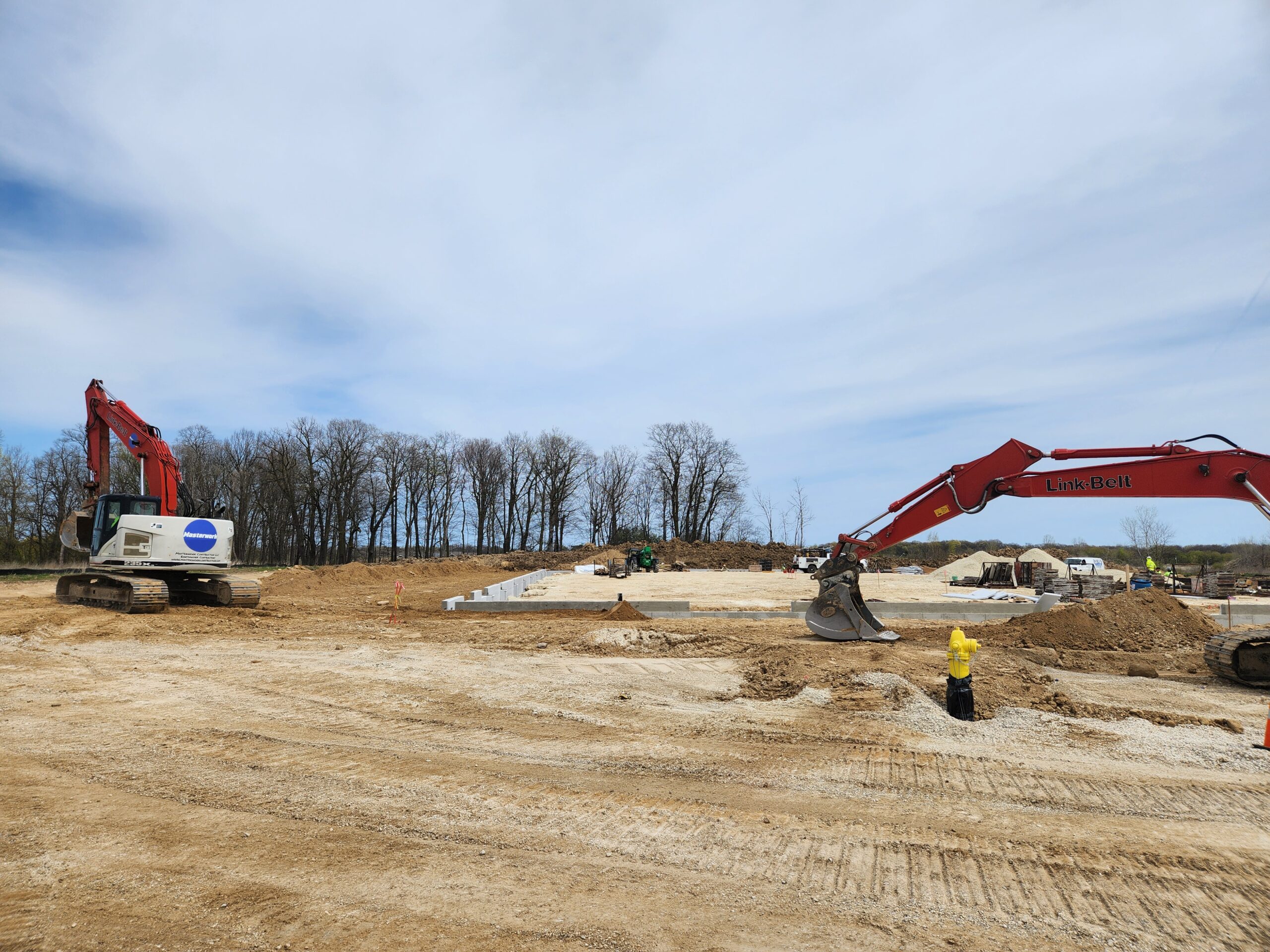
Start Strong: Why Pre-Excavation Planning Matters
Site preparation services done right can make or break your project. Before a single bucket hits the ground, the health of your schedule, budget, and safety record is shaped by the groundwork you complete behind the scenes. That means permits, surveys, utility locates, soil testing, erosion control, logistics, and clear communication. When you handle these steps upfront, excavation moves faster, costs less, and avoids painful surprises.
At Masterwork Construction, we have delivered site preparation services for homeowners, developers, and contractors across southeastern Wisconsin since 2015. Our team brings modern equipment, experienced crews, and practical know-how to every job. We serve Ozaukee, Milwaukee, Waukesha, and Washington counties, and we partner closely with clients to remove obstacles before they appear. If you want a smooth start, this guide breaks down exactly what needs to happen before excavation begins.
Permits and Approvals: Get the Green Light to Dig
Most excavation work requires permits or agency approvals. The exact mix depends on your municipality, project scope, and site conditions. Skipping permits can cause stoppages, fines, or expensive rework. Here is what to confirm early.
Common Permits for Wisconsin Projects
- Grading permit for cutting, filling, or reshaping the site
- Building permit for foundation, footings, or structural work
- Right of way permit for work that impacts public roads, sidewalks, or utilities
- Stormwater and erosion control approvals, sometimes tied to a Stormwater Pollution Prevention Plan
- Demolition permit for removing structures, pavements, or utilities
- Wetland and waterway permits if the site touches regulated areas
Masterwork Construction helps clients coordinate with local building departments and county or state agencies. We review plans for compliance, flag missing documents, and support your design team with practical constructability feedback. Starting permit applications early keeps your timeline on track.
Survey and Site Information: Build From Accurate Data
Good data prevents bad decisions. Before excavation, confirm that you have up-to-date surveys and site information. Design accuracy depends on it, and so does safety.
What to Have on File
- Boundary and topographic surveys to verify property lines, elevations, and surface features
- Easements and encumbrances that may limit access or placement of structures
- Benchmark references to align construction stakes and grades
- As-built utility maps if you are redeveloping a property with existing infrastructure
With accurate survey data, Masterwork Construction can perform precise layout, grading, and staking. It also helps us plan excavation quantities correctly, which reduces hauling costs and improves bid accuracy.
Underground Utility Locates: Call 811 and Verify in the Field
Hidden utilities are one of the biggest risks in earthwork. Striking a gas main or fiber line can cause injuries, outages, and serious delays. In Wisconsin, contact Diggers Hotline by calling 811 before you dig. This triggers utility owners to mark their lines near the proposed work area.
Utility Locating Best Practices
- Request locates at least three business days before excavation
- White line the dig area so locators know exactly where you plan to work
- Walk the site with your excavating partner to confirm marks and discuss conflicts
- Use soft digging or vacuum excavation to verify utility depth when working near critical lines
- Document all markings and responses for your records
Our crews treat utility locates as non negotiable. We double check markings, adjust excavation methods near sensitive areas, and coordinate with utility owners when relocations are needed. This step protects people, schedules, and budgets.
Soil Testing and Geotechnical Review: Know What You Are Digging Into
Not all soils behave the same. What looks simple on the surface can hide soft clays, organic layers, or groundwater that impacts foundations and grading. A geotechnical report provides the soil data your project needs to make the right decisions.
What a Geotechnical Report Covers
- Boring logs that show soil layers and groundwater depth
- Bearing capacity recommendations for footings and slabs
- Compaction specs and suitable fill materials
- Excavation support recommendations for deeper or steeper cuts
- Frost depth considerations for Wisconsin conditions
Masterwork Construction uses these findings to refine excavation plans, select equipment, and choose backfill materials. When soils are poor, we offer value engineering options such as over excavation and replacement, soil stabilization, or drainage improvements to keep your project on budget.
Erosion and Sediment Control: Protect Streets, Streams, and Neighbors
Excavation disturbs soil. Without controls, rainfall can carry sediment into storm sewers or onto nearby properties. Most municipalities require an erosion control plan before site work begins, especially on larger or sloped sites.
Common Best Management Practices
- Silt fence lines along downhill boundaries
- Inlet protection on storm drains
- Stabilized construction entrances to limit tracking onto roads
- Stockpile protection and temporary seeding on idle soils
- Ditch checks and sediment basins where needed
Our site preparation services include installing and maintaining erosion controls to meet local and state requirements. We build plans that are practical for active construction and resilient during heavy Midwest storms.
Access, Staging, and Logistics: Keep Equipment and Materials Moving
Big machines and tight sites do not mix without a plan. Before mobilization, create a site logistics plan that maps out how people and equipment will move safely and efficiently.
Logistics to Plan Ahead
- Temporary access routes for dump trucks, excavators, and deliveries
- Staging areas for stockpiles, pipe, and aggregate
- Laydown zones for equipment parking and refueling
- Waste and recycling areas for debris or pavement removal
- Traffic control if your work affects public roads
Masterwork Construction coordinates closely with general contractors and owners to phase work. That keeps excavation flowing while protecting utilities, structures, and landscaped areas that need to remain.
Drainage and Dewatering: Manage Water Before It Manages You
Groundwater and stormwater can stall excavation and cause instability in trenches or basements. Plan for temporary drainage before you dig, especially in areas with high water tables or clay soils.
Water Management Tools
- Sump pits and pumps for temporary dewatering
- Trench boxes and shoring to maintain safe cuts in wet conditions
- Surface swales or berms to divert runoff around work zones
- Stone construction entrances to reduce tracking and mud
Our team will evaluate whether temporary measures or longer term stormwater improvements should be installed first. Getting the water plan right reduces downtime and avoids rework.
Demolition and Clearing: Create a Clean Slate
Before you can grade, you need a site that is ready. That often means mechanical demolition and clearing. Removing trees, brush, topsoil, pavements, or foundations must be done to spec and hauled or recycled properly.
Efficient Clearing Practices
- Selective clearing to preserve trees that remain
- Topsoil stripping and stockpiling for later reuse
- On-site crushing and pavement recycling to reduce import and export
- Proper disposal of regulated materials where needed
Masterwork Construction handles land clearing, topsoil management, on-site crushing, and pavement recycling as part of our site preparation services. We aim to reduce waste and support sustainable construction practices whenever possible.
Safety Planning and Insurance: Protect People and Property
Excavation risks range from cave-ins to overhead hazards. A safety plan sets the tone for the entire project and keeps everyone focused. Verify that your partners carry the right insurance and follow safety standards.
Safety Steps to Lock In Early
- Pre-task planning and daily job briefings
- Trench safety with boxes, shoring, or benching as required
- Equipment inspections and trained operators
- Traffic and pedestrian separation in active areas
- Clear emergency contacts and site access instructions
Our crews prioritize safety, communication, and respect on every job. We believe a safe site is a productive site, and we build that culture into our planning from day one.
Neighbor and Stakeholder Communication: Be a Good Neighbor
Noise, dust, and traffic are common during excavation. Giving neighbors and stakeholders a heads-up can reduce complaints and support your schedule.
How to Communicate Well
- Simple notice letters with dates, work hours, and contact info
- Signs on site with clear wayfinding and warnings
- Dust control with water trucks and sweeping
- Prompt responses to concerns to maintain goodwill
Masterwork Construction helps plan work hours and controls that fit your site and community. Clear communication builds trust and keeps projects on track.
Value Engineering: Save Time and Money Without Cutting Corners
Smart site preparation services look for efficiency. Sometimes small changes in grades, materials, or phasing can deliver big savings while improving performance.
Where Value Engineering Helps
- Adjusting grades to balance earthwork and reduce hauling
- Reusing on-site materials where feasible
- Optimizing pipe routes to shorten trench length
- Sequencing utility work to avoid double handling
- Choosing durable materials that reduce long term maintenance
Value engineering is part of our DNA at Masterwork Construction. We collaborate with owners and engineers to streamline the plan, then execute it with precision.
Pre-Excavation Checklist: Your Step-by-Step Guide
Use this simple checklist to confirm you are ready to mobilize. If you need help with any step, our team is one call away at 414-762-7000.
- Define scope and goals. Confirm what must be built now and what can be phased later.
- Hire your team. Engage a qualified excavator like Masterwork Construction and align on schedule, budget, and responsibilities.
- Gather surveys. Verify boundary, topo, and any as-built drawings.
- Complete soil testing. Obtain a geotechnical report with foundation and compaction recommendations.
- Secure permits. Apply for grading, building, stormwater, right of way, demolition, and any environmental permits.
- Call 811. Schedule Diggers Hotline utility locates and white line the work area.
- Review utility conflicts. Plan for relocations or protective measures near live utilities.
- Develop erosion control plans. Install silt fence, inlet protection, and stabilized entrances before earthwork.
- Plan drainage and dewatering. Design temporary measures to handle groundwater and stormwater.
- Organize access and logistics. Map routes, staging areas, stockpiles, and laydown zones.
- Schedule demolition and clearing. Strip topsoil, remove pavements or structures, and recycle materials where possible.
- Confirm safety plans. Set trench protection, equipment checks, and emergency procedures.
- Notify neighbors. Share timelines, work hours, and contact info for questions.
- Hold a kickoff meeting. Align all stakeholders on the plan, responsibilities, and communication flow.
- Mobilize equipment. Bring in machines, survey stakes, materials, and signage. Then start excavation with confidence.
How Masterwork Construction Delivers Proven Site Preparation Services
Masterwork Construction is a professional earthwork contractor based in Grafton, Wisconsin. Since 2015, we have served homeowners, builders, developers, and municipalities across southeastern Wisconsin, including Ozaukee, Milwaukee, Waukesha, and Washington counties.
Our site preparation services cover everything from excavation and grading to stormwater solutions and mechanical demolition. We build residential basements, commercial frost footings, athletic fields, parking lots, roads, and ponds. We install underground retention systems, repair storm sewer piping, and construct gravel driveways that perform through Wisconsin winters. Our crews also handle land clearing, topsoil stripping, on-site crushing, and pavement recycling to keep projects efficient and sustainable.
What sets us apart is a focus on precision and long term value. We combine modern equipment and new technology with experienced craftsmen who care about results. We offer value engineering to reduce costs without sacrificing quality, and we communicate clearly with clients at every step. Safety and integrity guide how we work, and our goal is lasting relationships built on trust.
Local Insight Matters: Building in Wisconsin Conditions
Working in southeastern Wisconsin brings unique conditions. Frost depth, clay soils, and seasonal weather patterns require thoughtful planning. Local regulations and utility standards vary by municipality. Masterwork Construction understands these details because we work here every day. We tailor site preparation services to local requirements and real-world conditions so your project stays predictable.
Ready to Break Ground With Confidence?
If you want excavation that starts on time and finishes right, invest in the steps that come before the first dig. Permits, surveys, utility locates, soil testing, erosion control, logistics, and safety are not optional. They are the foundation of a successful project.
Masterwork Construction is ready to help you line everything up and then execute with precision. Call 414-762-7000 to speak with our team or contact us through our website. Let’s build a smart plan, complete your site preparation services, and move your project forward with confidence.