Why Yard Leveling Matters for Safety, Drainage, and Home Value
If you have been searching for land grading near me, you likely have water pooling or bumpy turf that will not smooth out no matter how much you rake. Professional yard leveling, also called grading, is about more than looks. Correct grading directs water away from your home, protects your foundation, stops erosion, and creates a surface that is safer to walk, play, and mow. It also helps your lawn and landscape stay healthy by preventing flooded low spots and dried out high spots.
Poor grading can lead to wet basements, frost heave damage, shifting patios, and cracked driveways. On the flip side, a well-graded yard sheds water at the right pace, which reduces stormwater issues and helps comply with local codes. When done by a qualified contractor, grading sets the base for everything else you build outside, from sod and plant beds to walkways and sheds. If you want long-term value and fewer headaches, getting the grade right is essential.
Quick Self-Check: Do You See These Signs?
Before you call a pro, take a walk around your yard after a normal rain and again after a heavy storm. Look for these red flags that suggest your property needs professional leveling or a drainage plan.
- Water puddles that linger for more than 48 hours
- Soft, spongy ground or mud ruts along common footpaths
- Soil washing away from downspouts or bare slopes
- Basement dampness, musty smells, or visible seepage after storms
- Grass that dies in low spots from standing water, or dries out on higher mounds
- Exposed tree roots or uneven ground that trips you or snags your mower
- Fences, sheds, or retaining timbers that lean or shift over time
- Shifting pavers, cracking walkways, or settling patios near the house
- Gutters or sump pump discharge that dump water and carve channels in your yard
- Mosquito swarms near puddles, ditches, or low points
- Sediment streaks on sidewalks or driveways after rain
- Water flowing toward, not away from, your foundation
If several of these sound familiar, it is a strong sign your property lines, slopes, and drainage paths need a professional look. When you search for land grading near me, choose a company that will evaluate your site as a system, not just push dirt around.
Simple At-Home Tests Before You Call a Pro
You can do a few quick checks to better understand what is going on before you schedule a site visit.
- Marble test: Place a golf ball or marble on your driveway or patio near the home. If it rolls toward the house, the slope is backward and needs correction.
- String level check: Stretch a string from the foundation out 10 feet and use a small string level. You want about 6 inches of drop over that distance. Anything less than 5 percent slope often causes water to linger.
- Hose test: With a gentle flow, spray water near downspout outlets. Watch where it goes. If it pools or runs toward your basement window, that is a problem spot to fix.
- Shovel test: Dig a small hole 8 to 10 inches deep in a low area and fill it with water. If it is still there after an hour, your soil may be compacted or made of heavy clay that needs amendment and regrading.
- Photo journal: Take pictures during and after rainfall from the same locations. These photos help a contractor see pattern and flow when the yard is dry.
Common Local Causes in Southeastern Wisconsin
In southeastern Wisconsin, our freeze and thaw cycles, heavy clay subsoils, and periodic downpours are a tough combo. Clay soils drain slowly and compact easily, which traps water and creates mushy depressions. Newer homes often settle for several years, leaving negative grade at foundations. Snow piles and plows push soil, which changes drainage paths over time. Downspouts that splash near the house can carve trenches and feed basement leaks. Tree removal changes how water moves and can speed up erosion on slopes. If any of this sounds like your site, it is time to look for land grading near me and get expert help tailored to local conditions.
DIY or Hire a Professional? What Makes Leveling Complex
When DIY Is Reasonable
Small surface fixes, like filling shallow depressions with screened topsoil and overseeding, are manageable for many homeowners. Adjusting downspout extensions and reshaping minor swales with a rake and wheelbarrow can help if you are dealing with light puddling in a small area. Just remember to build slopes gradually and compact in thin lifts to avoid future settling.
When to Hire a Pro
If water heads toward your foundation, if you have large low spots or broad uneven areas, or if you need equipment to move volumes of soil, call a professional. Hire a contractor if your plan involves reworking near utilities, tying into storm sewer, building a retaining wall, or reshaping a driveway or roadway apron. Professional grading ensures the right elevations, soil composition, compaction, and drainage structures so the fix lasts.
Risks of Getting the Grade Wrong
Regrading without a plan can push water problems to your neighbor or into a public right of way, which can lead to conflict and fines. Overfilling against a foundation can trap moisture and damage siding or brick. Poor compaction leads to future settling that recreates the same puddles you tried to fix. A pro uses measured slopes, drainage routes, and restoration steps that match your site and local rules.
What Professional Grading Includes
Site Evaluation and Drainage Plan
A solid grading project starts with a topographic review, soil assessment, and a plan for surface and subsurface water. This may include swales, berms, drain tile or French drains, dry wells, and proper downspout routing. The goal is to create positive pitch away from the home, reliable flow paths, and stable surfaces that resist erosion.
Equipment and Precision
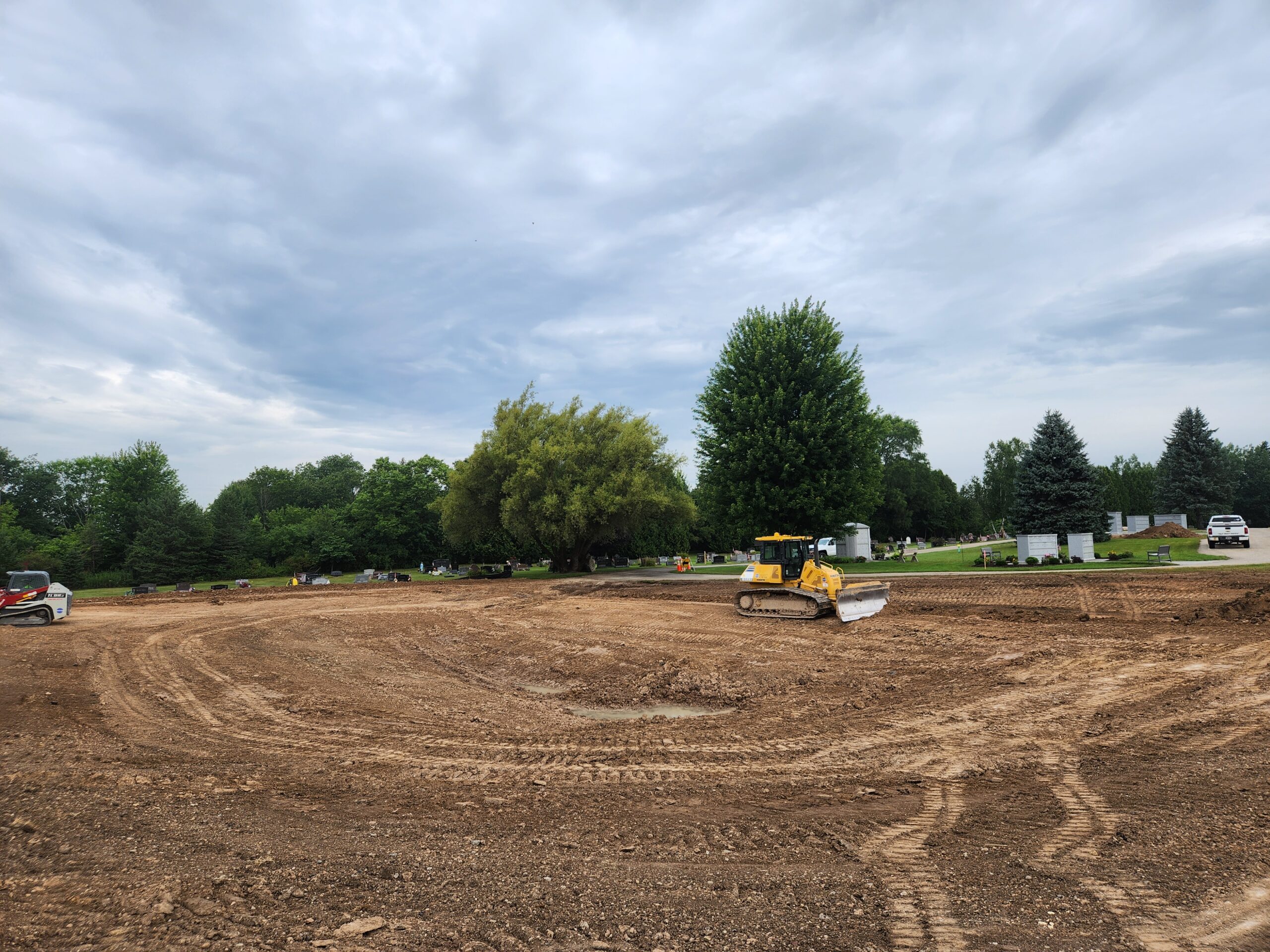
Contractors use skid steers, excavators, lasers, and GPS-guided machines to set accurate elevations. Precision matters. A few inches can be the difference between a dry basement and a recurring leak. They also manage import and export of soils so the final grade matches your plan without causing new problems.
Soil, Seed, and Restoration
Good grading pairs structure with soil health. That means using the right subgrade for stability, then adding quality topsoil for root growth. Restoration often includes soil amendments, seed or sod, erosion blankets on slopes, and straw or hydromulch to lock everything in while grass establishes.
- Walk the site and mark utilities
- Set target elevations and drainage routes
- Strip and stockpile topsoil as needed
- Rough grade with fill and compaction in lifts
- Fine grade with laser or GPS checks
- Install drains or culverts if part of the plan
- Restore with topsoil, seed or sod, and erosion control
- Final walkthrough and maintenance guidance
How Masterwork Construction Handles Land Grading
Masterwork Construction brings precision and safety to every grading and earthwork project. Based in Grafton, Wisconsin, and serving Ozaukee, Milwaukee, Waukesha, and Washington counties, our team has been shaping reliable grades since 2015. We combine modern equipment, new industry technologies, and experienced craftsmen to deliver grading that works with your site, not against it.
Because we cover both residential and commercial projects, we handle everything from house lots and athletic fields to public and private roadways and parking lots. If your yard needs more than a surface fix, we offer complete stormwater solutions, including underground water retention, French drains, and storm sewer repairs. Our crews are also trained in mechanical demolition, land clearing, topsoil stripping, and on-site crushing, which lets us manage materials efficiently and keep costs down.
Our grading approach is practical and precise. We set target elevations, compact soils correctly, and design flow paths that keep water out of your home and off your neighbor’s lawn. We also provide value engineering to find cost-effective ways to reach your goals without cutting corners. If your search for land grading near me brought you here, you can expect a professional partner that listens, explains, and delivers. Call Masterwork Construction at 414-762-7000 to schedule a consultation.
Cost, Timing, and Permits: What to Expect
Grading costs vary based on size, access, soil conditions, and drainage structures. A small regrade around a foundation costs far less than reshaping a large yard or tying into storm sewer. Good contractors provide clear scopes so you know what is included and what is not. Ask about haul-off, import of fill or topsoil, erosion control, and lawn restoration.
- Cost drivers: size of area, depth of cuts and fills, soil type, access for machines, drainage features, and restoration level
- Timeline: one to three days for small lots, up to a few weeks for large or complex projects
- Permits and rules: some municipalities require permits for changing drainage patterns, installing drains, or working near right of way
- Season: spring through fall is common for grading and seeding, with late summer and early fall often ideal for establishing grass
A reputable contractor will explain when a permit is needed and help coordinate with local officials. Masterwork Construction regularly works with area municipalities across southeastern Wisconsin and can guide you through requirements so your project moves smoothly.
FAQs About Yard Leveling and Grading
How much slope do I need away from my foundation?
A common target is at least 6 inches of drop in the first 10 feet from the foundation, around 5 percent. Beyond that, keep gentle slopes that carry water to swales or drains without causing erosion.
Will grading alone fix my wet basement?
Grading solves many issues, but not every one. If water is coming through cracks or there are high water tables, you may need a combination of grading, downspout fixes, drain tile, or sump improvements. A site evaluation will point to the right mix.
What is better, French drain or surface grading?
Surface grading is the first step when possible. It is often cheaper and simpler to maintain. A French drain helps when water collects in a bowl with no path to flow out, or when soils hold water. Many sites use both.
When is the best time to regrade my yard?
Late spring through early fall works well in Wisconsin. Late summer into early fall is a sweet spot for seeding because soils are warm and weeds are slowing down. Sod can be installed through most of the growing season.
How long will professional grading last?
With proper compaction, drainage, and restoration, a good grading job should last many years. Protect your investment by maintaining gutters, downspouts, and splash blocks, and avoid heavy traffic on wet soils.
Should I choose seed or sod after grading?
Sod gives instant cover, which controls erosion right away and lets you use your lawn sooner. Seed costs less and can perform well if you use erosion blankets on slopes and water consistently.
How do I prepare for a contractor visit?
Mark private irrigation and pet fences, move furniture and toys, and point out drains, low spots, and wet areas. Share photos from rainy days. Clear access helps the crew work safely and efficiently.
Ready to Search land grading near me? Choose a Local Expert
Typing land grading near me brings up many results, but not all contractors have the equipment and experience to solve drainage for good. Masterwork Construction focuses on durable, code-compliant solutions that protect your property and fit your budget. From small residential fixes to larger site development projects, our team brings the right machines, the right plan, and the right crew to finish your project safely and on time.
We serve homeowners and builders across Ozaukee, Milwaukee, Waukesha, and Washington counties with excavation, grading, stormwater utility solutions, gravel driveway installation, pond development, roadway construction, and mass excavation. If you need a partner who values safety, integrity, and clear communication, call Masterwork Construction at 414-762-7000.
Maintenance Tips After Professional Leveling
Once your yard is properly graded, a little maintenance goes a long way to keep it that way. These simple habits protect your investment and keep drainage working.
- Keep gutters clean and use downspout extensions that carry water 8 to 10 feet away
- Avoid parking heavy equipment or vehicles on soft ground
- Reseed thin spots quickly to prevent erosion
- Check for animal burrows and fill them before they expand
- Inspect after major storms and take photos of any new problem areas
- Direct sump pump discharge to a stable outlet or approved drain path
- Maintain swales by keeping them clear of mulch, leaves, and debris
Signs You Might Need More Than Surface Fixes
Some properties need added structures to manage water safely. If you have steep slopes, chronic washouts, or limited places to send runoff, consider extra measures. Masterwork Construction designs and builds features that stabilize soils and control flow.
- Retaining walls or terraces to hold grade and slow erosion
- Stone-lined swales to move water without carving ruts
- Culverts and driveway crossings to handle ditch flows
- Dry wells or underground retention where surface storage is limited
- French drains or drain tile to intercept groundwater
- Pond development for controlled stormwater storage
These solutions, combined with precise grading, create a safe, stable yard that stands up to Wisconsin weather.
Book a Consultation With Masterwork Construction
If you are seeing standing water, uneven ground, or foundation dampness, do not wait for the next storm to make it worse. When you look for land grading near me, choose a contractor that treats your property like a system and backs the work with skill and integrity. Masterwork Construction is headquartered in Grafton and serves southeastern Wisconsin with complete excavation, grading, stormwater, and site development services. Call 414-762-7000 to schedule your assessment and get a grading plan that keeps your home dry and your lawn smooth. We are ready to help you build a safer, better yard, one smart slope at a time.