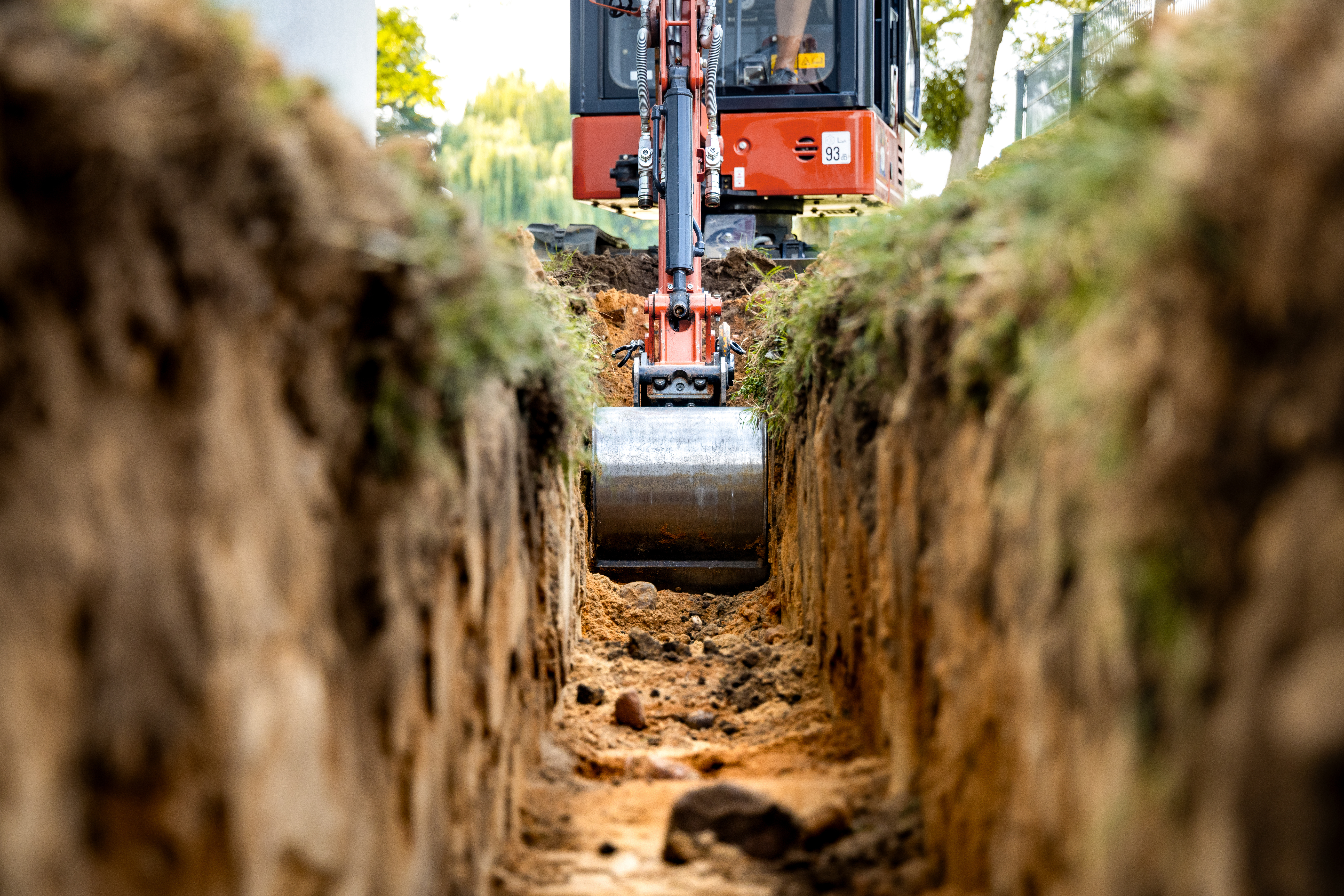
If you work around heavy equipment long enough, you know the feeling when the bucket scrapes, jolts, or hisses and everything stops. Striking an unmarked utility line is scary and serious. It can put your crew in danger, shut down the site, and lead to costly delays. As trusted excavation contractors milwaukee clients rely on, Masterwork Construction put together this clear guide so you know exactly what to do in the first minutes, hours, and days after a strike, and how to prevent the next one.
Why Unmarked Utilities Happen
Most excavation teams do the right thing and call 811 before digging. In Wisconsin, Diggers Hotline helps coordinate locates so you know where public utilities run. Still, unmarked or mismarked lines can pop up for several reasons. Records can be old, utility depths can vary, surface marks can fade, and private lines often do not show on public tickets. Storms and previous projects can shift soil and move shallow lines. Even when you do everything right, unknown lines can show up where you least expect them. Knowing why strikes happen helps you react with calm and focus.
Immediate Steps to Keep Everyone Safe
Safety is the first and only priority in the first few minutes. Use this simple plan. Post it in your site trailer and make sure every operator and laborer knows it by heart.
- Stop work right away. Freeze the equipment and do not attempt to pull away. Keep the boom or bucket still. If the machine is entangled with a line, wait for a utility representative to clear the machine.
- Warn the crew. Use hand signals, radios, or air horns to alert everyone. Move personnel out of the area calmly.
- Secure the site. Keep bystanders back. Set cones or barricade tape as far out as needed for safety.
- Check for hazards. Look, listen, and smell. Hissing, the smell of gas, arcing, water geysers, or fiber strands can all mean danger.
- Call 911 if there is any sign of fire, gas, explosion risk, serious injury, or downed electric lines. Do not wait.
- Contact the utility through 811 or using the number on the nearest marker post. State the location, type of equipment, and what you see on scene.
- Shut down ignition sources. Cut off engines near a gas release area if it is safe to do so, and keep smokers and spark-producing tools far away.
- Wait for clearance. Do not attempt any repair or backfill. Only the utility owner can repair their asset and declare the area safe.
If you hit an electric line
Electric strikes can be deadly. Assume any exposed conductor is live. If your machine contacts a live line, stay in the cab if it is safe and wait for the utility to de-energize. If you must exit due to fire, jump clear with both feet together and shuffle away without lifting your feet. Keep others back. Do not touch the machine and the ground at the same time.
If you hit a gas line
Take gas odors and hissing seriously. Do not start or stop engines within the hazard area. Do not use phones near the leak. Evacuate upwind and upslope. Keep the area clear until the gas utility arrives and gives the all clear.
If you hit water, sewer, or fiber
Pressurized water can erode trenches and undermine roads. Keep people back and watch for sinkholes. Do not try to close valves unless the utility tells you to. For sewer, avoid contact and prevent flows from reaching waterways. Fiber may not appear dangerous, but cutting a fiber trunk can impact hospitals and emergency services. Treat all utility strikes with care and follow the same call and wait procedures.
Who to Call and How to Document the Event
Once you have secured the scene and handled any emergency steps, start making the right calls and capturing facts. Clear documentation helps control costs and resolves claims faster.
- Utility owner or 811. Report the strike right away and follow their instructions.
- General contractor or project owner. Keep your client informed so they can adjust schedules and notify stakeholders.
- Your safety officer or company leadership. Begin your internal incident process.
- Insurance carrier. Early notice can help protect coverage and speed up resolution.
- Local authorities if required. Follow any local or state reporting rules for significant incidents.
Document what happened in a neutral, factual way. Note the date, time, weather, who was operating, the equipment used, what locate marks were visible, any photos of markings and site conditions, and where spoil piles or materials were placed. Capture photos and video from safe areas only. Keep a contact log with names and times of everyone you notified and everyone who arrived on site.
Protect Your Schedule and Budget After a Strike
Utility hits can shake a project plan. As experienced excavation contractors milwaukee builders trust, our team at Masterwork Construction has learned a few simple steps that help keep jobs moving without sacrificing safety or quality.
- Create a short-term work plan. Meet with the owner, GC, and utility representatives to define a safe work area and a path to resume partial operations if possible.
- Track standby and impact time. Record when crews were stood down and when work resumed. Accurate logs support fair change orders and claim recovery.
- Review drawings and scope. Look for design updates or alternate methods that avoid the conflict area until repairs are complete.
- Adjust sequencing. Shift to grading, demolition, or utility work in another area to reduce idle time.
- Confirm repair ownership. The utility will usually repair their asset. Clarify restoration and cost responsibilities in writing.
Common Mistakes to Avoid
In the stress of a strike, it is easy to make a quick decision that backfires. Avoid these common pitfalls.
- Do not try to pull out the bucket or track away if you contacted a line. Wait for the utility to verify it is safe.
- Do not attempt a repair or tape a nicked line. Only the utility can fix their facilities.
- Do not cover the area. Keep the line visible for inspection.
- Do not leave the scene unattended. Maintain a safe perimeter until the utility arrives.
- Do not assume private lines were marked. Many irrigation lines, parking lot lights, and campus-owned utilities require private locates.
How to Prevent the Next Utility Strike
Prevention is always cheaper and safer than reaction. The best excavation contractors milwaukee project teams work a tested system on every site. At Masterwork Construction, we use the steps below to reduce risk on commercial and residential jobs across southeastern Wisconsin.
Call before you dig and white-line the work
Request locates early and renew them before they expire. White-line the work area so locators know exactly where you plan to dig. Walk the site together with the locate maps and look for conflicts.
Bring in a private locator when needed
Public locates do not cover private lines. Campuses, shopping centers, industrial sites, and farms often own their own utilities. Hire a reputable private locator to sweep the site and mark those lines.
Pothole in the tolerance zone
Excavate test holes by hand or with vacuum methods to expose utilities. Verify depth and location before you put a tooth in the ground. Adjust your dig plan based on what you find.
Use the right equipment and methods
Vacuum excavation, smaller buckets, or hand digging near marks can protect lines. Spotters with radios help guide the operator. Keep spoil and mats well away from marked utilities.
Update and share information
Conditions change fast. If you find an unknown line, stop, mark it, photograph it, and notify the team. Ask the owner or utility for records and add the new information to your site map.
Train your crew
Hold regular tailgate talks on line locating, hazard signs, and emergency steps. Make sure every person on site knows the 811 process, the phone numbers to call, and where to muster if something goes wrong.
How Masterwork Construction Manages Utility Risk
Masterwork Construction is a professional earthwork company based in Grafton, serving southeastern Wisconsin from Ozaukee and Milwaukee to Waukesha and Washington counties. Since 2015, we have delivered heavy civil earthwork with a focus on safety, accuracy, and schedule. That includes careful planning around utilities on every project we touch.
Our team brings modern equipment, new industry technology, and experienced craftsmen to each site. We perform residential basements, commercial frost footings, and mass excavation. Our grading crews build public and private roadways, parking lots, and athletic fields to tight tolerances. We install and repair stormwater systems, from underground water retention to storm sewer piping. Our mechanical demolition group handles land clearing, topsoil stripping, on-site crushing, and pavement recycling. We also build gravel driveways, develop ponds, and deliver roadway construction with durability and function in mind.
On jobs with utility risk, we start with planning and value engineering to reduce conflicts. We coordinate early with owners and utility locators, white-line work areas, bring in private locators when needed, and pothole at key crossings. Our supervisors train crews to recognize hazards, maintain safe clearances, and follow a clear stop-work and notification process if they find a line. We do not guess. We verify and then proceed. This disciplined approach keeps our clients on schedule and protects our people.
If you are comparing excavation contractors milwaukee buyers call first, look at who invests in prevention and communication. Masterwork Construction is built on teamwork, integrity, and respect. We believe the best projects come from strong relationships, steady communication, and consistent follow through.
Frequently Asked Questions
Who pays for damages after a strike
Responsibility depends on the facts. If the excavator did not call in locates or dug carelessly in the marked tolerance zone, the excavator may be liable. If the utility was mismarked or not marked, the utility may shoulder costs. Accurate documentation and early notice to all parties are key to a fair outcome.
Can I move my machine after contact
Only move if there is immediate danger and you are trained to do so safely. With electric lines, staying in the cab until the utility de-energizes is usually safest. For any line, do not pull or drag the utility. Wait for the utility owner to clear the machine.
How long will the utility take to respond
Response times vary by utility, location, and call volume. Emergencies get priority. You can reduce delays by giving clear directions, a safe route to the site, and a contact person at the gate. Keep the area safe and ready for their crew.
What about private utilities
Public locates often do not include private lines like campus power, parking lot lights, irrigation, or private fiber. Hire a private locator and pothole any suspicious areas. Include private utility scope in your contracts and preconstruction meetings.
Should I report to OSHA
If there is an injury, hospitalization, or fatality, follow OSHA and state reporting rules. Your safety officer can advise on thresholds and timelines. When in doubt, document and consult your safety resources.
Do residential projects face the same rules
Yes. Homeowners and small contractors must still call 811 before digging. Even simple tasks like planting trees or building a fence can hit shallow lines. Treat every dig with the same care.
A Simple Checklist for Utility Strikes
Print this checklist and keep it in your cab or toolbox for quick reference.
- Stop work and secure the area.
- Check for hazards and evacuate if needed.
- Call 911 for any immediate dangers like gas or live electric.
- Contact the utility through 811 or posted numbers.
- Notify the GC, owner, and your safety lead.
- Do not attempt repairs or move the machine off the line.
- Document with photos, notes, and a contact log.
- Wait for the utility to inspect and clear the site.
- Hold a quick tailgate review before resuming work.
Partner With a Crew That Puts Safety and Schedule First
When you are choosing among excavation contractors milwaukee companies, look for a partner that prepares well, reacts fast, and communicates clearly. Masterwork Construction brings that mindset to every yard of dirt we move. From excavation and grading to stormwater, mechanical demolition, gravel driveway installation, pond development, roadway construction, and mass excavation, we deliver workmanship that holds up and planning that keeps projects on track.
Serving Ozaukee, Milwaukee, Waukesha, and Washington counties, our crews combine field experience with modern tools to reduce surprises and protect your site. If the unexpected does happen, we know the safety steps, the call tree, and the documentation you need to get through it with confidence.
Ready to work with a team that treats your project like its own Choose Masterwork Construction. Call 414-762-7000 or visit our website to start a conversation about your site and schedule. For homeowners and builders searching for excavation contractors milwaukee, we are here to make your next project safer, smoother, and more predictable from day one.