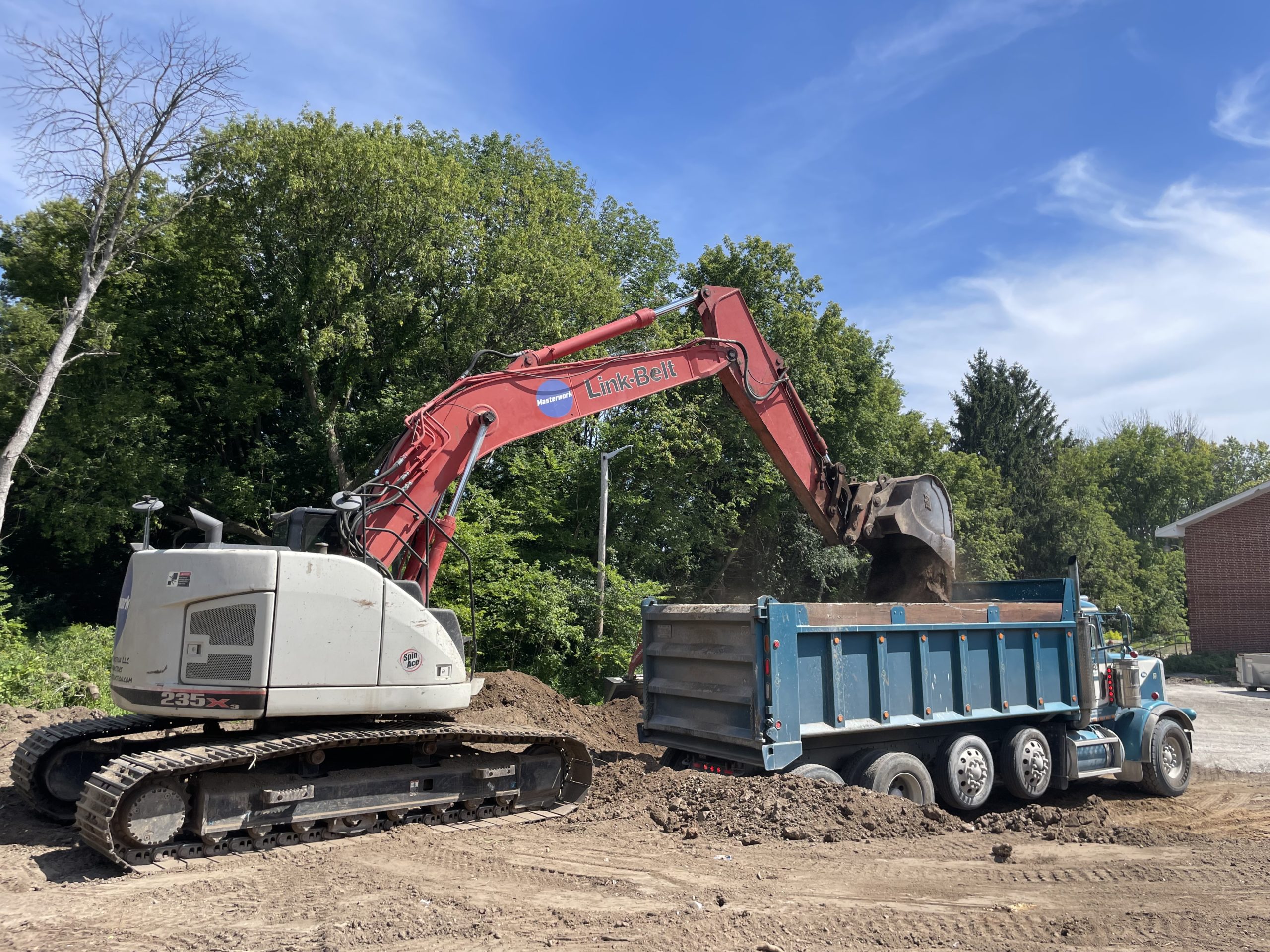
Why You Need an Excavation Checklist
Digging without a plan can lead to damaged utilities, safety incidents, delays, and extra cost. A clear excavation checklist keeps your project compliant, protects people and property, and helps you finish on time. Whether you are breaking ground for a new home, building out a commercial site, or upgrading stormwater piping, a well built checklist lets your team confirm every detail before the first bucket hits the soil.
At Masterwork Construction, we rely on standardized processes backed by experience, modern equipment, and a safety first mindset. This guide shares the practical steps our crews follow across southeastern Wisconsin, from Grafton to Milwaukee, Waukesha, Ozaukee, and Washington counties.
Who This Excavation Checklist Is For
This excavation checklist is written for general contractors, developers, facility managers, and homeowners who want a smooth start. It is also a helpful refresher for site supers and inspectors who oversee heavy civil earthwork, grading, stormwater, and demolition work.
The Complete Excavation Checklist
Use the following ordered list as your master plan. Each section includes specific actions to complete before excavation begins.
Permits, Notices, and Approvals
- Confirm scope and jurisdiction. Identify the local municipality and county. In southeastern Wisconsin, check requirements for the City or Village where the site sits, plus county and state agencies when needed.
- Secure all permits. Typical permits include grading, right of way access, erosion control, stormwater, demolition if applicable, and driveway access.
- Verify permit conditions. Note approved work hours, noise limits, haul routes, dust control, and erosion control requirements. Add them to the site plan.
- Call the One Call center. In Wisconsin, request utility locates through Diggers Hotline at least three business days before digging. Keep the ticket number posted on site.
- Notify neighbors when required. Provide timing, expected noise, and contact information for concerns.
- Schedule preconstruction meetings. Invite the owner, general contractor, utility reps, and inspectors to align on logistics and expectations.
Utility Locating and Conflict Checks
- Collect records. Request as built drawings and utility maps from utility owners and the design team.
- Mark utilities. After Diggers Hotline clears the ticket, confirm paint and flag marks match the records.
- Verify critical crossings. Pothole with vacuum excavation to expose lines where the excavation crosses gas, electric, fiber, water, or sewer.
- Confirm utility depths. Compare exposed depths with design plans to avoid conflicts with footing bottoms, storm piping, or subgrade elevations.
- Set protection plans. Establish no go zones, support of excavation for nearby utilities, and vibration monitoring if utilities are old or fragile.
- Document everything. Photograph marks, potholes, and protection measures. Store with your locate ticket.
Survey, Layout, and Earthwork Quantities
- Establish control. Verify benchmarks and control points with a licensed surveyor.
- Upload machine control files. Validate models for excavators and dozers if you use GPS or total station control.
- Stake limits. Mark clearing limits, excavation lines, and stockpile areas. Protect trees and no disturbance zones.
- Confirm elevations. Double check proposed subgrades, footing bottoms, and slope transitions.
- Balance cut and fill. Update earthwork volumes to plan hauling, import, or export. This helps manage trucking and budget.
Soils, Groundwater, and Stability
- Review geotechnical reports. Note soil types, bearing capacities, groundwater levels, and recommendations for undercut or stabilization.
- Plan dewatering if needed. Select pump sizes, discharge points, and treatment for sediment control. Check if a discharge permit is required.
- Choose temporary slope or shoring. Decide on sloping, benching, trench boxes, or sheet piles based on soil conditions and depth.
- Identify contaminated soils risk. If the site had industrial use, arrange testing and disposal plans before digging.
- Plan for weather. Account for freeze thaw, heavy rain, or spring melt conditions in southeastern Wisconsin.
Erosion Control and Environmental Protection
- Install best management practices before soil disturbance. Silt fence, inlet protection, construction entrance, and sediment basins as required.
- Prepare a stormwater pollution prevention plan if required by local permit. Keep it on site and follow inspection schedules.
- Protect sensitive areas. Mark wetlands, streams, and tree root zones. Add fencing and signage.
- Control dust. Plan water trucks or soil tackifiers during dry spells.
- Maintain BMPs. Assign a responsible person to inspect and repair erosion control after storms.
Site Access and Logistics
- Define entry and exit points. Install a stabilized construction entrance and wheel cleaning if needed.
- Set haul routes. Choose roads that meet local rules and avoid school zones at peak hours. Coordinate with the municipality.
- Plan laydown and stockpiles. Keep materials out of drainage paths and away from excavation edges. Label spoil piles and keep proper setbacks.
- Arrange traffic control. Use signs, cones, and flaggers where public traffic is present. Follow approved traffic plans.
- Secure the site. Install temporary fencing, lighting, and site signage with emergency contacts.
Safety Planning and Training
- Assign a competent person. Daily inspections of excavations, shoring, and access are required.
- Hold a job hazard analysis meeting. Review hazards such as utility strikes, cave-ins, equipment swing radius, and overhead lines.
- Set PPE standards. Hard hats, eye protection, high visibility vests, gloves, steel toe boots, and hearing protection when needed.
- Plan for trench safety. Confirm shielding or sloping methods, ladder access within proper spacing, and spoil pile setbacks.
- Prepare emergency response. Post local emergency numbers, hospital directions, and a rescue plan for trenches and confined spaces.
- Document toolbox talks. Keep attendance sheets and topics handy for inspectors.
Equipment, Tools, and Materials Readiness
- Inspect equipment. Check excavators, dozers, loaders, compactors, and pumps. Confirm lights, alarms, and safety decals are functional.
- Stage support gear. Ladders, trench boxes, shoring, trench plates, generators, hoses, and fuel storage with proper containment.
- Service and fluids. Complete preventative maintenance, and stock filters and fluids.
- Spill prevention. Place spill kits on equipment and at fueling points. Train the crew on rapid response and reporting.
- Material submittals. Approve and order geotextiles, pipe, structures, bedding, and backfill materials. Plan delivery timing.
Quality Assurance and Testing
- Define acceptance criteria. Know required compaction, soil classification, and moisture ranges.
- Schedule testing. Coordinate density tests, proctors, and concrete testing if applicable.
- Set inspection hold points. Confirm key milestones like subgrade proof roll and pipe bedding inspections.
- Record as built data. Capture elevations, pipe slopes, and structures installed for final records.
Communication and Documentation
- Create a contact sheet. Include the owner, general contractor, utility reps, municipality inspector, and emergency contacts.
- Publish the daily plan. Assign roles, machines, and target quantities. Share before each shift.
- Keep a photo log. Document pre existing conditions, adjacent properties, sidewalks, and curbs for vibration or settlement claims.
- Track changes. Use a formal process for plan changes, RFIs, and field directives.
- Update the schedule. Reflect weather impacts and revisions so deliveries and crews are coordinated.
Final Pre Dig Readiness Check
- Walk the site. Confirm staking, fencing, erosion control, and access are in place and maintained.
- Verify permits and locates. Ensure they are active and posted.
- Confirm safety gear and shoring on site. Do not start without proper protection for the planned excavation depth.
- Check weather and groundwater plan. Pumps, hoses, and discharge control ready.
- Hold the start of dig briefing. Review the plan, hazards, and emergency steps with the full crew.
Helpful Details to Add to Your Excavation Checklist
Work Near Buildings or Roads
Excavation near structures can affect stability. Include a plan to monitor vibration, limit surcharge loads near the excavation edge, and use shoring where sloping is not possible. Coordinate temporary traffic control and protect nearby pavement with plates or matting.
Basements and Frost Footings
For residential basements and commercial frost footings, verify frost depth, base elevation, and drainage. Plan for over excavation and replacement with engineered fill when soils are soft. Masterwork Construction crews also plan sump discharge and perimeter drainage to keep foundations dry.
Stormwater and Utility Work
When installing storm sewer or underground detention, confirm inverts, slopes, and structure types before delivery. Keep trench widths within design limits and maintain consistent bedding. Protect open trenches from rain events with covers and diversion berms.
Rock and Hard Dig Conditions
If rock or glacial till is likely in your area, plan rock equipment or pre ripping. Verify vibration limits near utilities and structures. Adjust production rates and budget to match hard digging time.
Winter Conditions
Cold weather affects excavation, compaction, and concrete placement. Keep frost out of subgrade with blankets, use warm water for compaction moisture, and watch stockpiles for frozen clumps. Build extra time for thawing and cleanup.
Common Mistakes This Excavation Checklist Prevents
- Skipping the utility pothole where a conflict is most likely.
- Assuming permit conditions are all the same from town to town.
- Underestimating groundwater and ending up with flooded trenches.
- Starting before shoring or trench boxes arrive.
- Forgetting to balance cut and fill, which adds unplanned trucking costs.
- Not protecting tree roots or wetlands that are inside or near the work zone.
- Letting erosion control lag behind the excavation progress.
What Makes Masterwork Construction Different
Masterwork Construction is an experienced earthwork contractor based in Grafton, Wisconsin. Since 2015, we have delivered excavation, grading, stormwater solutions, mechanical demolition, gravel driveways, ponds, roadway builds, and mass excavation for clients across Ozaukee, Milwaukee, Waukesha, and Washington counties. Our approach blends precise planning with skilled operators and modern equipment.
We use this excavation checklist on every job, from residential footings to large commercial site development. It helps our teams move faster without cutting corners. We create machine control models, coordinate with Diggers Hotline, verify soils and groundwater, and set up the site for safe production. When the unexpected happens, our field leaders adapt while keeping safety and quality first.
If you need value engineering, we will help refine plans to save time and cost. That may include adjusting grades to balance cut and fill, selecting better drainage details, or optimizing pond and stormwater features. Masterwork Construction also handles demolition, on site crushing, and pavement recycling to streamline your project from start to finish.
Local Insights for Southeastern Wisconsin
- Expect spring rains and soft subgrades. Include undercut allowances and dewatering.
- In urban areas, older utilities may not match records. Pothole more often and plan support of excavation near the right of way.
- Winter work is possible with planning. Use blankets, heated enclosures for concrete, and a tight logistics plan for snow and ice.
- Stormwater rules vary by municipality. Align early with inspectors to approve erosion controls and underground detention systems.
Quick Reference: Your Pre Dig Excavation Checklist
- Permits, notices, and pre job meeting scheduled.
- Utility locate ticket active and potholing complete at high risk crossings.
- Survey control set, staking verified, and machine control files loaded.
- Soil and groundwater plan confirmed, including dewatering and shoring.
- Erosion control installed and inspected.
- Site access, haul routes, and laydown areas ready.
- Safety plan, competent person assigned, and trench safety on site.
- Equipment inspected, spill kits and fuel containment in place.
- Quality testing plan scheduled and acceptance criteria defined.
- Daily plan and emergency contacts posted, photos taken, and schedule updated.
How Masterwork Construction Implements This Checklist
On day one, our superintendent reviews permits and the site plan with the crew. We walk the site to verify staking and erosion controls, then confirm all utility marks and potholes. We place trench boxes or shoring near the start area, set up dewatering pumps, and review the excavation sequence. As we dig, we keep spoil piles set back the correct distance and maintain access for inspectors and testing technicians.
We perform daily inspections of excavation walls, check ladder access, and document soil conditions. If groundwater rises, we adjust our plan and protect subgrades to maintain quality. Our compactors and testing partners confirm density so backfill and slabs last. At every step, we communicate with the owner and general contractor so there are no surprises.
Save Time and Trouble With a Professional Team
A strong excavation checklist is the first line of defense against delays and extra cost. The second is a partner who knows how to put it into action. Masterwork Construction brings disciplined planning, skilled crews, and the right equipment to every site. From basements and frost footings to roadway subgrades and stormwater systems, we deliver safe, clean, and accurate work.
Start Your Project the Right Way
Ready to put this excavation checklist to work on your site in southeastern Wisconsin? Contact Masterwork Construction at 414-762-7000 or visit our website to schedule a consultation. We will review your plans, confirm permits and utilities, and build a clear path to break ground with confidence.
With Masterwork Construction, you gain a team that values safety, integrity, and open communication. Let us turn your plans into a solid foundation for what comes next.