Start Here: What This Guide Covers
basement excavation milwaukee: tight-lot access, shoring, haul-out, permits, and costs in one city guide. Get expert tips to plan your dig—read now and start.
Thinking about lowering or building a basement on a narrow city lot in Milwaukee? You are not alone. Many homeowners and builders want more usable space without leaving the neighborhood they love. Tight-lot basement digs are doable with the right plan, the right crew, and the right equipment. This guide breaks down how access, shoring, and haul-out work in the city, what permits you may need, how soil and weather affect the dig, and how to budget smartly. If you need a seasoned partner, Masterwork Construction brings modern equipment, skilled operators, and a tight process to basement excavation Milwaukee projects across southeastern Wisconsin.
Why Tight-Lot Basement Digs Are Different in Milwaukee
On a city block, space is limited. Alleys are narrow. Neighbors are close. Utilities run everywhere. At the same time, Milwaukee’s glacial soils and variable groundwater can make unsupported cuts risky. Success starts with a plan that accounts for access, structural support, and how to move hundreds of cubic yards of soil without disrupting the block.
- Access is tight. Fences, garages, alley widths, and trees limit equipment choices and truck staging.
- Structures are close. Old foundations, shared walls, porches, and sidewalks demand careful support and shoring.
- Utilities are dense. Gas, electric, water, sewer, and fiber frequently cross the work zone.
- Groundwater varies. Proximity to the lake, perched water, and clay layers affect dewatering needs.
- Staging is minimal. Spoil often must be live-loaded into trucks. Material deliveries need just-in-time planning.
- Neighborhood impact matters. Noise, dust, and parking require respectful coordination.
Permits and Rules You Should Know
Every site is unique, but most basement excavation Milwaukee jobs require a mix of building approvals, erosion control, and right-of-way coordination. Start early and involve your contractor and design team so reviews go smoothly.
- Building permit and plans. For new basements or major structural changes, the City of Milwaukee Department of Neighborhood Services reviews drawings. If shoring or underpinning is needed, an engineer should design and stamp the support plan.
- Erosion control. Expect to install silt fence, inlet protection, and a stabilized construction entrance. The city will expect a site-specific erosion control plan.
- Right-of-way permits. If you occupy a lane, sidewalk, or alley with fencing, plates, or trucks, you may need a street occupancy or lane closure permit. Plan trucking routes to avoid school zones and peak-hour congestion.
- Utility locates. Call Diggers Hotline at least three working days before you dig. Private utility locates may be required for lines running from the main to the house or garage.
- Dewatering approvals. If groundwater must be pumped, discharge often needs review. Use filtration, sediment bags, or tanks as required, and do not discharge turbid water into storm drains without proper control.
- Soil disposal. If soil is impacted by prior uses, testing may be required before disposal. Keep tickets and records for your files.
Site Access on Tight City Lots
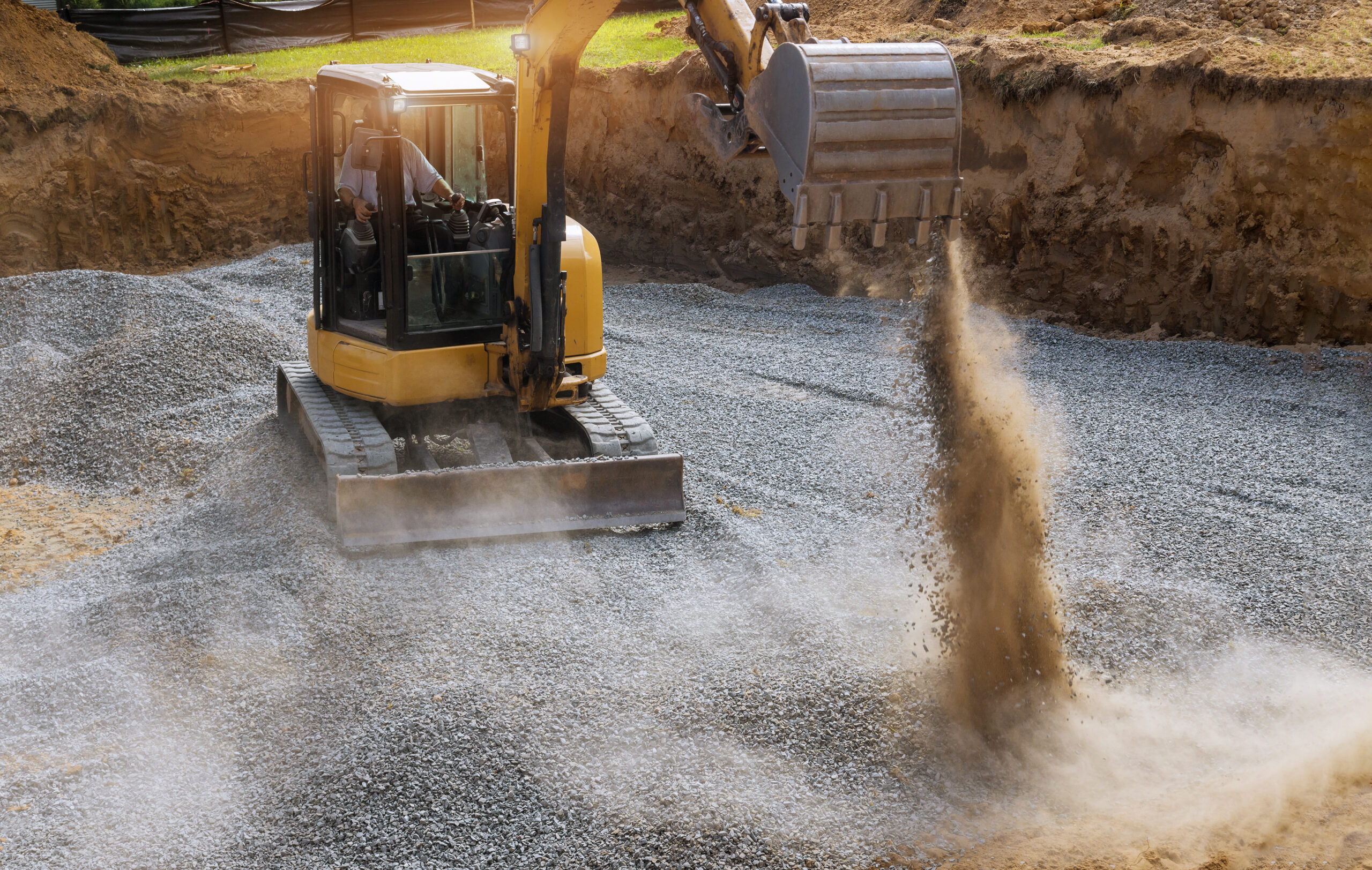
Getting machines to the hole and soil to the truck is half the battle. Good access planning reduces time, protects property, and keeps neighbors happy. On many Milwaukee lots, we bring in a compact excavator and a track loader through the alley, using ground protection and temporary ramps to cross curbs or steps. Fences can be temporarily removed, with posts saved for reinstallation. Mature trees and tree lawns need protection boards and careful, low-clearance travel.
Access tactics Masterwork Construction uses
- Compact machines. Mini excavators with zero tailswing, low ground pressure track loaders, and narrow site dumpers fit through tight gates and alleys while still moving material efficiently.
- Conveyor systems. Modular conveyors move spoil from the pit to the curb for live loading when equipment paths are too tight or when basements sit behind buildings.
- Ground and curb protection. Timber mats, composite mats, and steel plates protect lawns, sidewalks, and curbs.
- Traffic flow. Spotters, cones, and flagging help trucks back safely in alleys and avoid delays.
- Just-in-time hauling. Trucks arrive in sequence so spoil goes straight to the truck instead of stockpiles that take up space.
- Noise and dust control. Water trucks or hose bibs keep dust down. We stage the loudest work inside permitted hours and keep neighbors in the loop.
Shoring and Support Options
Shoring is how you hold the ground and protect nearby structures while you dig. In Milwaukee’s silty clays and granular fill, vertical cuts rarely stand safely without help. Shoring choice depends on soil conditions, depth, distance to property lines, and what sits next door. An engineer should evaluate the loads and design an appropriate solution. Masterwork Construction works with licensed engineers to implement the right shoring for basement excavation Milwaukee projects on tight lots.
Common systems used in city basements
- Hydraulic vertical shores. Quick to install in narrow trenches or along short runs to stabilize walls while you work.
- Slide rail shoring. A modular system that creates a supported pit. Ideal when you cannot slope and need room to set footings.
- Soldier pile and lagging. Steel H-piles advance first, then timber or precast lagging supports the soil between piles.
- Sheet piling. Interlocking steel sheets driven along the perimeter. Effective where groundwater is a concern and space is tight.
- Underpinning and helical supports. Used to support adjacent foundations when you deepen or lower the basement beside an existing structure.
Picking the right support
There is no one-size solution. Slide rail works well when the excavation footprint is rectangular and access allows. Soldier pile and lagging is useful near a property line with a neighboring basement. Hydraulic shores help stabilize short segments. The design should account for utilities, groundwater, and vibration tolerance near older brick or stone foundations. Masterwork Construction coordinates early with engineers so shoring, excavation, and footing installation move forward without rework.
Haul-Out and Spoil Management
Even a modest basement produces a lot of soil. A 24 by 36 foot basement dug to 8 feet below grade can generate well over 200 cubic yards of spoil, more with overdig and working room. On a tight Milwaukee lot, you rarely have room to stockpile. Live loading is the goal. That means every bucket is planned to land in a truck or a conveyor hopper that feeds a truck.
Smart hauling strategies
- Live load at the curb. A skid loader shuttles from the dig to the street where trucks are ready. Timing prevents a line of trucks idling in a residential block.
- Conveyor to a street hopper. For yards without equipment paths, conveyors move spoil directly to a bin or truck.
- Right-sized trucking. Tandems work well on city streets. End dumps are used where overhead lines and tree canopies allow safe tipping.
- Clean streets, happy neighbors. We broom, sweep, and tarp loads. Wheel wash mats at the exit reduce tracking.
- Material reuse when possible. Clean fill can be reused onsite for backfill or grading if approved. Otherwise, we haul to a licensed facility and track loads for your records.
Groundwater, Soils, and Weather in Milwaukee
Milwaukee sits on glacial tills that range from firm silty clays to sand and gravel lenses. Downtown and lakeside neighborhoods can run into higher groundwater, while inland blocks see perched water after storms. These conditions influence shoring, equipment, and schedule. Knowing your soil and water early reduces surprises.
Testing and dewatering
- Geotechnical report. Borings and lab testing identify soil types, bearing capacity, and water levels. This guides shoring and foundation design.
- Dewatering plan. Sumps and pumps may be enough for short digs. Deeper or wetter sites may need well points or eductors to control inflow. Filter discharge to keep sediment out of the system.
- Monitoring. Keep an eye on water clarity and flow. Adjust filtration and discharge points to remain compliant.
Cold weather excavations
- Frost management. Use frost blankets ahead of work or break frost mechanically to maintain productivity.
- Safety in freeze-thaw cycles. Clay walls can soften and slough during a thaw. Inspect shoring daily and adjust as needed.
- Heated work zones. Temporary heat can keep pumps and hoses from freezing and maintain workable conditions.
Cost Factors for basement excavation milwaukee
Costs vary with size, depth, soil, shoring type, access limits, and haul distance. Tight-lot conditions add time for protection, smaller equipment, and careful trucking. While every project is different, understanding the drivers helps you budget and compare bids fairly.
- Volume of excavation. Bigger, deeper basements mean more machine time and trucking.
- Shoring and structural support. Engineered systems add cost but control risk and keep neighbors safe.
- Access complexity. Narrow gates, tree protection, and alley-only access increase labor and time.
- Dewatering and filtration. Groundwater control can be simple or a major line item depending on conditions.
- Disposal and testing. Impacted soils require testing and special handling. Clean spoil is more cost effective to haul.
- Season and schedule. Winter conditions, peak demand, or accelerated timelines influence pricing.
As a general frame of reference, small to mid-size basement excavation Milwaukee projects on tight lots often fall into a broad range from the mid tens of thousands to low six figures when shoring and haul-out are significant factors. That is not a quote. It is a directional starting point. A site visit and engineered plan will fine-tune the number. Masterwork Construction provides clear scopes and line items, so you can see exactly what drives cost.
A Step-by-Step Plan to Reduce Risk and Save Time
- Define the footprint and depth. Confirm foundation wall thickness, overdig space, and working room for forms.
- Order a survey and locate utilities. Map property lines, easements, and service lines. Call Diggers Hotline and arrange private locates if needed.
- Get a geotechnical report. Soil and groundwater data inform design and shoring decisions.
- Engineer the support. Have a licensed engineer design shoring or underpinning where required.
- Build the permit set. Include site plan, erosion control, shoring notes, and dewatering approach.
- Plan access and staging. Identify fence removals, matting, truck routes, and protection for curbs and sidewalks.
- Mobilize with protection. Install silt fence, inlet protection, and a stabilized entrance. Lay mats and plates before equipment arrives.
- Excavate and shore in sequence. Advance in lifts, place support, check alignment, and monitor for movement.
- Live-load spoil and maintain streets. Keep the curb lane clean and coordinate trucks to avoid backups.
- Reach subgrade and proof. Trim to grade, proof roll, and prepare bearing surfaces. Dewater as needed.
- Place footings and walls. Coordinate with the concrete crew. Keep shoring in place until the structure can stand alone.
- Backfill and restore. Place drainage, waterproofing, and insulation. Backfill in lifts and restore yards and pavements.
Common Mistakes to Avoid
- Skipping the geotech. Guessing at soils and water levels can cause delays, change orders, and safety issues.
- Underestimating trucking. Spoil volumes add up fast. Live-loading plans reduce standby time and neighbor impact.
- Ignoring the neighbor’s foundation. Close structures may need underpinning or monitored shoring to prevent settlement.
- Forgetting right-of-way rules. Occupying a lane or sidewalk without a permit can stop your job.
- Leaving erosion control for later. Install controls before you disturb soil to stay compliant.
- Overdigging without a plan. Extra width or depth increases cost and can complicate shoring.
- Assuming dewatering is simple. Discharge must be clean and directed per permit and best practices.
- Using the wrong equipment. Oversized machines cannot maneuver. Undersized machines slow the schedule.
How Masterwork Construction Delivers Results
Masterwork Construction is a professional earthwork company based in Grafton, Wisconsin. Since 2015, our team has served southeastern Wisconsin, including Ozaukee, Milwaukee, Waukesha, and Washington counties. We handle excavation, grading, stormwater utilities, mechanical demolition, gravel driveways, pond development, roadway construction, and mass excavation. For basement excavation Milwaukee projects on tight city lots, we bring modern equipment, experienced craftsmen, and a coordinated plan that keeps your site safe and your project on schedule.
Our crews install basements for custom homes, deepen existing basements for more headroom, and support commercial builds with precise footing excavations. We pair excavation with grading for proper drainage and stormwater control. When dewatering or underground retention systems are needed, we integrate them into the sequence. For demolition, we clear, strip topsoil, crush on site when appropriate, and recycle pavements to control costs. Our value engineering approach focuses on durability, function, and budget. We collaborate early with your design team to select shoring systems, optimize haul routes, and fine-tune the schedule.
What you get when you hire Masterwork Construction
- Clear scope and communication. One point of contact, responsive updates, and documented changes.
- Right-sized equipment. Compact excavators, track loaders, and conveyors designed for tight-lot work.
- Safety and quality. Trained crews, daily inspections, and compliant shoring built to engineered plans.
- On-time logistics. Just-in-time trucking, clean streets, and respectful coordination with neighbors.
- Budget control. Transparent pricing, practical alternates, and value engineering to reduce surprises.
- Full site development support. From erosion control and utilities to final grading and driveway restoration.
FAQ: basement excavation milwaukee
- Q: How long does a basement excavation take on a tight Milwaukee lot? A: Many residential digs take one to two weeks for excavation and haul-out depending on size, shoring, and groundwater. Weather, permits, and inspections can add time.
- Q: Do I always need engineered shoring? A: Not always, but tight lots near property lines or adjacent foundations usually require it. An engineer should review soils and loads and decide on the right system.
- Q: Can you access my backyard through a narrow alley? A: Often yes. We use compact machines, mats, and conveyors to reach confined yards. A site walk will confirm the best approach.
- Q: What happens to the soil you remove? A: Clean soil goes to licensed facilities or is reused if suitable. Impacted soil, if discovered, is tested and handled per regulations.
- Q: How do you control dust and mud on city streets? A: We water the work zone, tarp loads, sweep pavement, and use stabilized entrances and mats to reduce tracking.
- Q: Is winter excavation possible? A: Yes. We manage frost with blankets and mechanical methods, maintain dewatering systems, and monitor shoring in freeze-thaw cycles.
- Q: What will my excavation cost? A: It depends on size, shoring, access, and groundwater. After a site visit, Masterwork Construction provides a detailed, line-item estimate tailored to your project.
Get a Site Review and Estimate
If you are planning basement excavation Milwaukee and your lot is tight, bring in a team that handles urban sites every day. Masterwork Construction will walk your site, study access, coordinate with your engineer, and produce a clear plan for shoring, haul-out, and erosion control. Call 414-762-7000 to schedule a consultation or reach out through our website to get started. With modern equipment, proven processes, and a commitment to safety, integrity, and communication, we are ready to help you build smart below grade and protect the neighborhood you call home.