Thinking About Barn Demolition or Salvage? Start Here
When an old barn starts leaning, leaking, or losing boards, many owners wonder if they should schedule barn demolition or try to salvage the structure. The right choice depends on safety, structural condition, historic value, materials, and your plans for the property. This guide explains how to evaluate your barn, what drives costs, and how to capture value from reclaimed materials. If you are in southeastern Wisconsin, Masterwork Construction can assess your site, outline options, and give you a clear plan.
In short, barn demolition or salvage is not a one-size decision. Some barns are too far gone and need a safe, efficient teardown. Others contain valuable old-growth timbers, weathered barn boards, stone, and hardware that can be reclaimed for new uses. With expert eyes on your barn and land, you can protect safety, control your budget, and make the most of what you have.
Is Your Old Barn Worth Saving?
Before you move ahead with barn demolition, take time to understand the structure and what it would take to fix it. A barn can be worth saving if the frame is stable, foundations are sound, and the roof can be protected from water. If the frame is twisting or rotten or the stone or concrete foundation is failing, repairs may cost more than the building is worth.
Signs a Barn Might Be Worth Restoring
- The timber frame is plumb and true with tight joinery
- Roof leaks are limited and can be addressed with targeted repairs
- Foundation shows minor settling but no major shear cracks
- Exterior siding is weathered but still recoverable
- Historical or sentimental value supports investment
Signs Barn Demolition Is the Safer Choice
- Noticeable lean in the frame or racking in wind
- Widespread rot or insect damage in posts and beams
- Heavily deteriorated or collapsed roof system
- Severe foundation failure with shifting or bowing walls
- Unsafe floors, lofts, or ladders that cannot be secured
Masterwork Construction helps owners weigh these factors. Our team brings experience in mechanical demolition, excavation, grading, and site work across Ozaukee, Milwaukee, Waukesha, and Washington counties. We can evaluate stability, provide budget ranges, and suggest best-fit options for your goals.
Salvage Value: What Your Barn Might Be Hiding
Even if full restoration is not wise, your barn may still hold value in reclaimed materials. Salvage does not always mean saving the whole building. It often means selective deconstruction to reclaim the highest-value materials, then safe barn demolition for the rest. The market values below are broad concepts, not quotes, since pricing changes by region, condition, and demand.
High-Value Materials to Look For
- Hand-hewn or sawn old-growth beams with tight grain and large dimensions
- Weathered barn boards with natural patina for décor and custom millwork
- Original hardware like strap hinges, latches, and square nails
- Fieldstone or limestone foundations for landscaping or new builds
- Metal roofing and siding that can be recycled or reused
Demand for reclaimed wood and stone is strong for custom furniture, feature walls, mantels, farm-style homes, and landscaping. The more intact and clean the materials, the better the return. If you plan to salvage, proper sequencing matters. Masterwork Construction can plan safe access, staging, and equipment use so valuable pieces come out first without damage.
Barn Demolition Methods: Choose the Right Approach
Different barns call for different methods. Your choice affects safety, schedule, cost, and salvage value.
Mechanical Barn Demolition
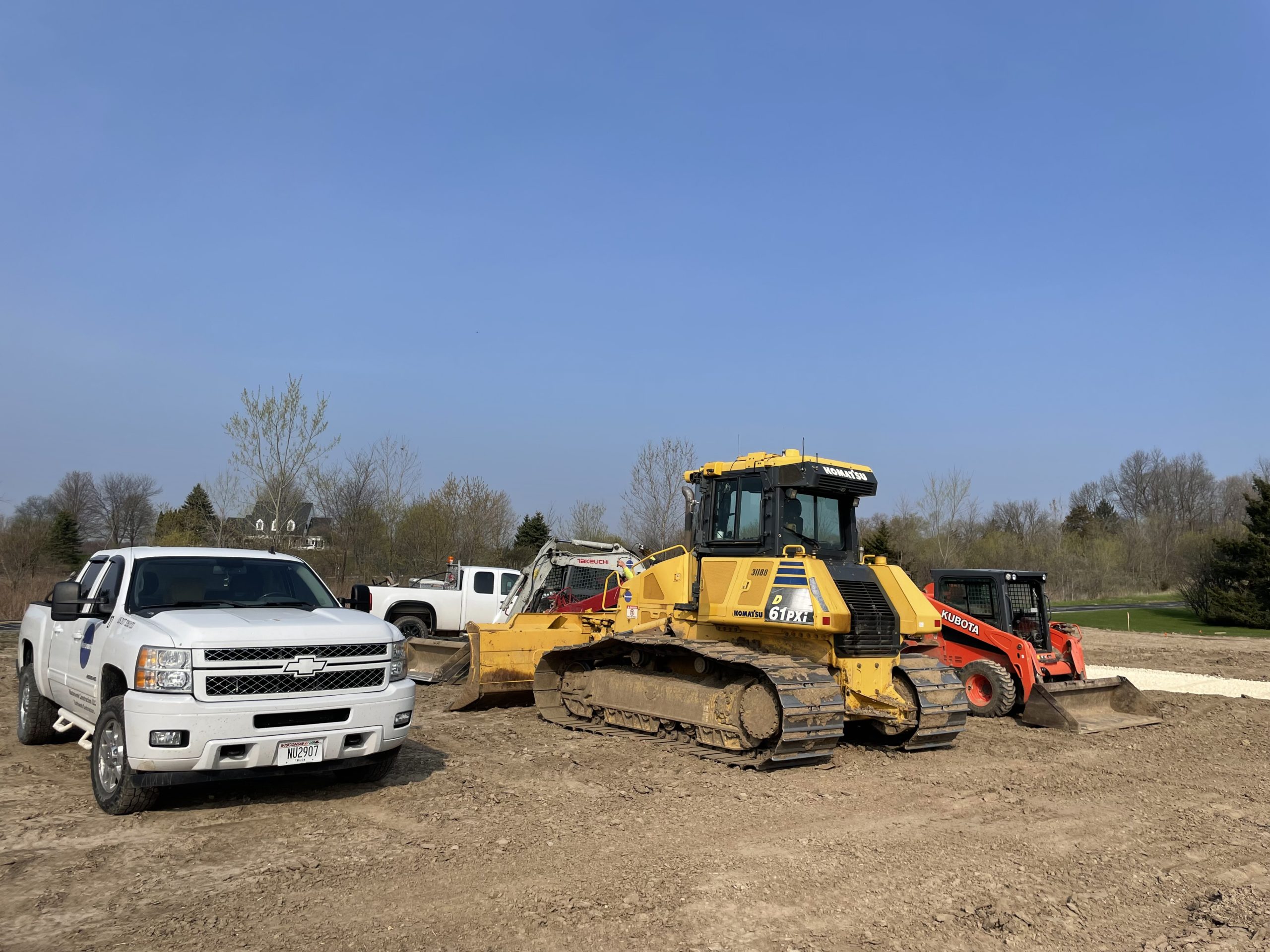
This method uses excavators, loaders, and specialized attachments to bring down and process the building quickly. It is ideal when the structure is unstable or the goal is a fast, safe teardown. Mechanical barn demolition reduces labor time and limits risk to workers. Masterwork Construction specializes in this approach, using modern equipment and trained operators to control the fall and protect nearby buildings, wells, and utilities.
Selective Deconstruction
This method removes the most valuable materials first by hand or with small equipment. It delivers the highest salvage value but takes more time and coordination. Selective deconstruction is a good fit when the frame, siding, and stone are marketable and when site access allows safe staging.
Hybrid Approach
Many projects blend both methods. Crews remove high-value items and then complete barn demolition with machines. The hybrid approach often gives the best balance of value recovery and efficiency.
Cost Factors for Barn Demolition in Wisconsin
No two barns are alike, so cost is project-specific. These factors shape the final number and are useful when comparing quotes.
- Size and height of the barn and any attached sheds or silos
- Structural condition and safety risks that affect staging and fall control
- Access for equipment, haul trucks, and debris containers
- Site constraints such as nearby buildings, trees, utilities, or wetlands
- Material type and volume including wood, stone, concrete, and metal
- Presence of hazardous materials like asbestos in shingles or lead paint
- Disposal, recycling, and hauling distances to approved facilities
- Permit and inspection requirements in your municipality
- Desired level of salvage or deconstruction prior to teardown
- Backfilling, grading, and restoration needs after barn demolition
Masterwork Construction provides clear scopes with line items for demolition, recycling, and site restoration. We also offer value engineering to cut costs without cutting corners. For example, crushing on-site concrete or stone for reuse can reduce trucking and material costs.
Permits, Utilities, and Safety
Planning a safe and compliant project is as important as the teardown itself. Wisconsin cities, towns, and villages have their own permit processes. Most require a demolition permit for barns, proof of utility disconnections, and a disposal plan. Rural sites can also have environmental or watershed rules that cover erosion control and stormwater.
Before any barn demolition, verify these steps:
- Call utility locators and confirm disconnections for power, gas, phone, and water
- Check for private systems including wells and septic tanks
- Pull demolition permits with your local building department
- Arrange erosion control to protect ditches and streams
- Test and manage any suspect materials through approved channels
- Plan traffic control if work affects a public roadway
Masterwork Construction coordinates permits, utility checks, and erosion controls as part of a turnkey plan. Our team follows strict safety standards and uses reliable equipment to protect your property and our crews.
What Happens After the Barn Comes Down
Owners often focus on the teardown, but the finish work makes the site ready for the next use. After barn demolition, you may want to remove old foundations, bring in clean fill, and grade the area for drainage. Some clients add a gravel driveway, seed a pasture, or build a new shop on a stable pad.
Masterwork Construction offers full site restoration. Our grading crews shape the land for proper runoff. Our stormwater team installs underground water retention systems if needed. We can build gravel driveways, prepare building pads, and finish with topsoil and seed. When the project is complete, your land will be clean, functional, and ready for what is next.
Step-by-Step Plan to Decide: Demolish or Salvage
Use this simple process to make a smart decision about your barn.
- Document the condition with photos and notes
- List your goals for the site and any timeline needs
- Invite a qualified contractor to assess structure and access
- Get estimates for full barn demolition, selective salvage, and hybrid options
- Compare costs against potential salvage value and your project goals
- Confirm permit needs and utility disconnections
- Choose the method that best balances safety, budget, schedule, and value recovery
If you need help at any step, Masterwork Construction provides free assessments in southeastern Wisconsin. We serve Ozaukee, Milwaukee, Waukesha, and Washington counties and can advise on structure, salvage, and site work.
Environmental Benefits of Smart Demolition
Good demolition is not just about tearing down. It is also about keeping materials out of landfills and protecting soil and water. Selective salvage and recycling can divert a large share of wood, metal, and stone from disposal. Proper erosion control keeps sediment from washing into streams. Responsible handling of shingles, paint, and pipe protects local resources.
Masterwork Construction integrates environmental best practices into each plan. We separate recyclables, manage stormwater, and restore site grades for long-term stability. We can also crush clean concrete or stone on site for reuse in driveways or base layers, which supports a circular approach and reduces trucking.
Frequently Asked Questions About Barn Demolition
How long does barn demolition take?
For small to mid-size barns with good access, active demolition may take one to three days. Add time for salvage, concrete removal, backfill, and grading. Weather and permits can affect the schedule.
Can I keep some of the wood and hardware?
Yes. Many owners keep beams, boards, or hardware for future projects. Let your contractor know early so the plan protects those items and sets aside storage space.
Do I need a permit even in rural areas?
Most municipalities require a demolition permit. Rural towns may also ask for erosion control and disposal plans. Masterwork Construction helps you navigate local requirements.
What if the barn is near a house or power lines?
Close quarters call for careful staging, controlled dismantling, and skilled operators. This is where mechanical barn demolition by an experienced team is critical. We use precise methods to protect nearby structures and utilities.
Is deconstruction always better than demolition?
Not always. If the barn is unstable, labor costs can outweigh salvage value. In many cases, a hybrid plan that removes valuable items before mechanical demolition gives the best result.
Why Property Owners Choose Masterwork Construction
Since 2015, Masterwork Construction has helped property owners and developers across southeastern Wisconsin plan and execute earthwork and demolition projects with precision. We combine modern equipment, skilled operators, and a culture of safety to deliver dependable results.
What We Bring to Your Barn Project
- Mechanical demolition with experienced operators and controlled methods
- Site assessment and value engineering to optimize budget and schedule
- Excavation and grading to remove foundations, backfill, and shape drainage
- Stormwater solutions from erosion control to underground retention systems
- On-site crushing and pavement recycling when appropriate
- Gravel driveway installation and building pad preparation
- Pond development and roadway construction for future site improvements
- Commercial and residential site development with transparent communication
We are based in Grafton and work throughout Ozaukee, Milwaukee, Waukesha, and Washington counties. Our team takes pride in teamwork, integrity, and long-term client relationships. From first call to final grade, you will get straight answers and a clean, safe job site.
Real-World Examples of Project Paths
Full Mechanical Barn Demolition With Site Restoration
A failing barn with a collapsing roof stands 30 feet from a house. After utility checks and permits, crews remove metal roofing for recycling, then use an excavator to bring the structure down in a controlled direction. Debris is sorted. Foundation walls are removed, the area is backfilled and compacted, and the yard is graded for drainage. A new gravel driveway ties the site together.
Hybrid Salvage and Demolition
An owner wants to keep hand-hewn beams and barn boards. The crew documents and removes key materials first, then completes mechanical barn demolition. Stone is stacked for landscaping. The site is rough graded and seeded, ready for a future garden and shed.
Selective Deconstruction for Maximum Reuse
A stable timber frame has high historic value. A careful deconstruction plan reclaims beams, decking, siding, and hardware. Remaining materials are recycled. The cleared area is regraded and prepared for a new pole barn.
How to Get Started
If you are unsure whether to restore, salvage, or demolish your barn, start with a conversation. Gather photos and notes about the structure, its age, and any known issues. Think about your land-use goals and timeline. Then schedule a site visit.
Masterwork Construction will walk the site, check access, consider safety, and outline options. You will get a clear plan with transparent pricing for barn demolition, salvage opportunities, and site restoration. Our goal is to make your decision easy and your project smooth from start to finish.
Schedule a Free Assessment
Serving southeastern Wisconsin since 2015, Masterwork Construction is ready to help you decide the best path for your old barn. Call 414-762-7000 to schedule a free assessment, or visit our website to learn more about our demolition, excavation, grading, and site development services. Whether you choose full barn demolition, selective salvage, or a hybrid plan, we will handle the details and leave your land better than we found it.